WhatsApp Image 2021-07-28 at 1.58.53 AM

أنواع الآلات المستخدمة في صناعة النسيج

المنسوجات هي نوع من القماش أو النسيج المحاك، وتتطلب عملية إنتاجها عدة مراحل أكثر مما قد يتصور البعض. تبدأ العملية بإنتاج الألياف التي تُغزل إلى خيوط، ثم تُستخدم هذه الخيوط في إنشاء الأقمشة التي تمر بعدة عمليات فرعية. إنتاج المنسوجات ليس مهمة بسيطة؛ حتى بعد تصنيع الأقمشة، يجب معالجتها مسبقًا، وصبغها أو طباعتها، ثم إنهاؤها بمعالجات خاصة.

أنواع المنسوجات

تتنوع المنسوجات من اللباد إلى الحياكة، وحتى الأقمشة المنسوجة بإحكام بحيث تبدو وكأنها قطعة واحدة. كما يمكنك أن تتخيل، هناك آلات مكلفة بالعديد من مراحل هذه العمليات لجعل إنتاج المنسوجات سلسًا قدر الإمكان. القطن هو أحد الأقمشة الأكثر استخدامًا، لذلك تتركز العديد من الآلات حول تصنيع القطن.

الآلات المتعلقة بإنتاج الألياف/الخيوط/الغزل

كل قطعة ملابس تحتوي على تعليمات مختلفة للغسل والتجفيف بالآلة، حيث تتنوع المواد من القطن، الصوف، الكتان، الرامي، الحرير، الجلود، أو حتى المواد الصناعية. كل هذه المواد تحتاج إلى التعامل معها ورعايتها بطريقة خاصة للحفاظ على شكلها بعد الغسل المتكرر.

  • آلات مطاحن الصوف: تُستخدم لتطوير الصوف إلى خيوط.
  • آلات لف الخيوط: تُستخدم للف خيوط على البكرات.
  • آلات التبييض والصباغة: تُستخدم لتبييض أو صبغ الخيوط، الألياف، أو الأقمشة.
  • آلات التمشيط: تُستخدم لفصل بذور القطن عن القطن.
  • آلات التمشيط: تُستخدم لتحضير الصوف ليصبح خيوطًا.
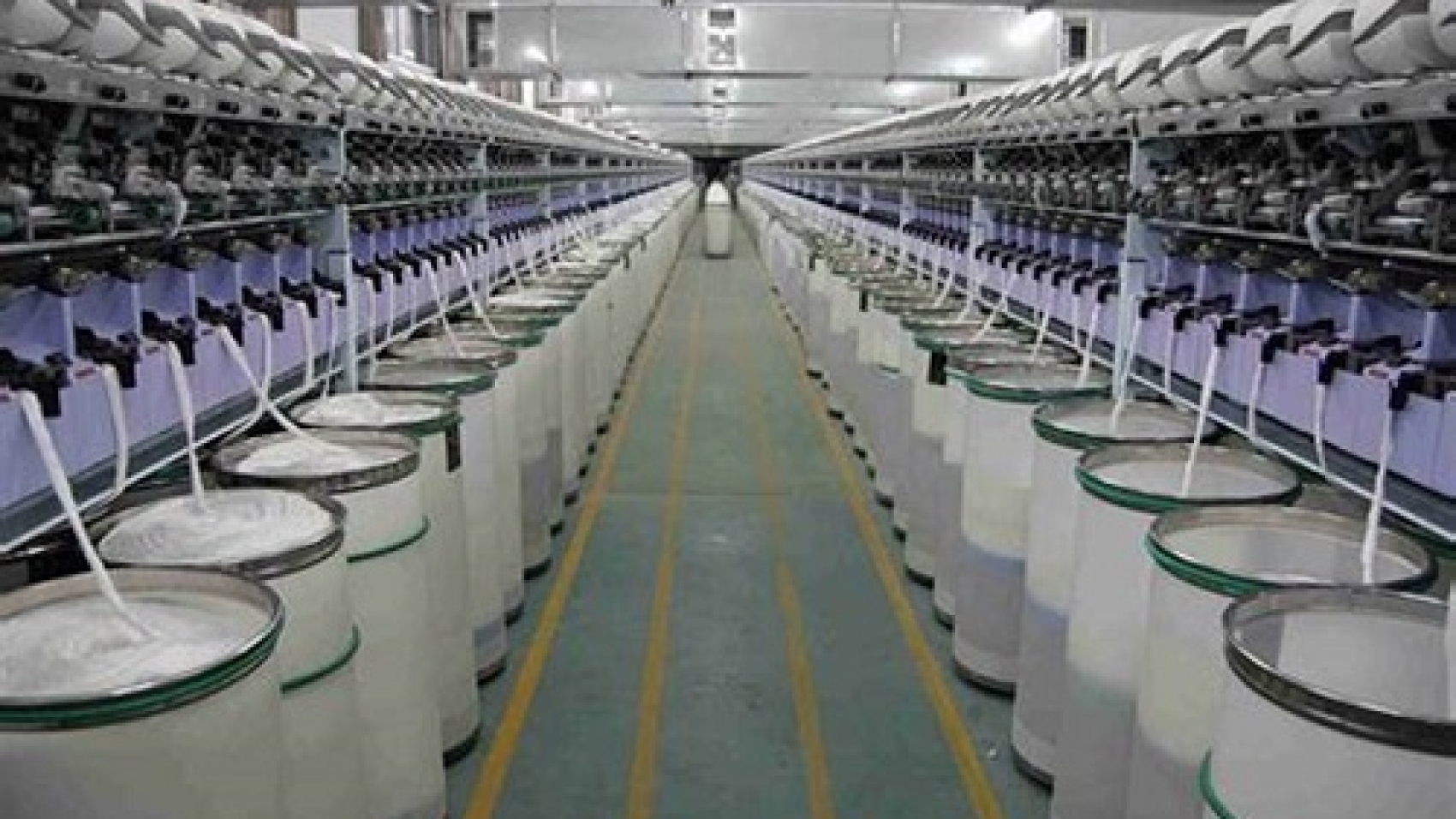
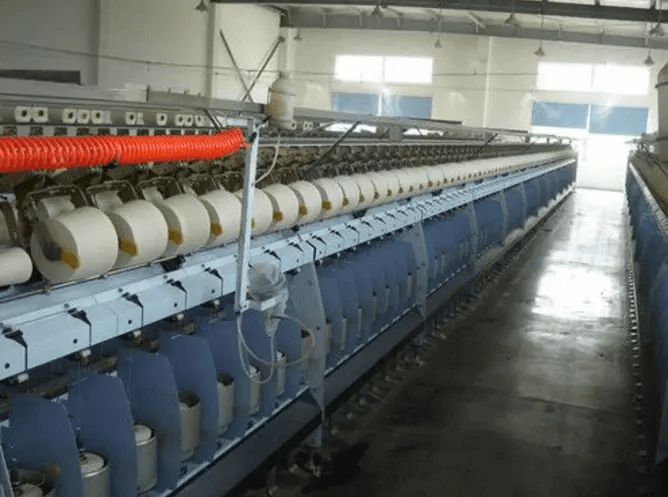
  • آلات الغزل: تُستخدم لغزل الخيوط.
  • آلات تلسين الخيوط: تُستخدم كموقد بنسن لتسخين الخيوط، للتخلص من الزوائد وتعميق اللون.

الآلات المتعلقة بإنتاج المنسوجات

بعد تحويل الخيط، أو الغزل، أو الألياف إلى مادة أكثر استخدامًا، يتم نسجها أو حياكتها أو خياطتها لتصبح قماشًا أو نسيجًا. لكن هذه ليست نهاية العملية؛ يمكن أن تُخيط، تُحاك، أو تُطبَّق طبقات مختلفة من العزل أو لأغراض أخرى. يمكن صبغ المنتج أو معالجته في مراحل مختلفة من العملية، ثم يُقاس ويُقطع، إذا لزم الأمر، ليتم شحنه إلى البائعين.

  • آلات الحياكة: تُستخدم لحياكة الخيوط.
  • آلات الكروشيه: تُستخدم لحياكة الكروشيه بالخيوط.
  • آلات صنع الدانتيل: تُستخدم لنسج الخيوط إلى دانتيل.
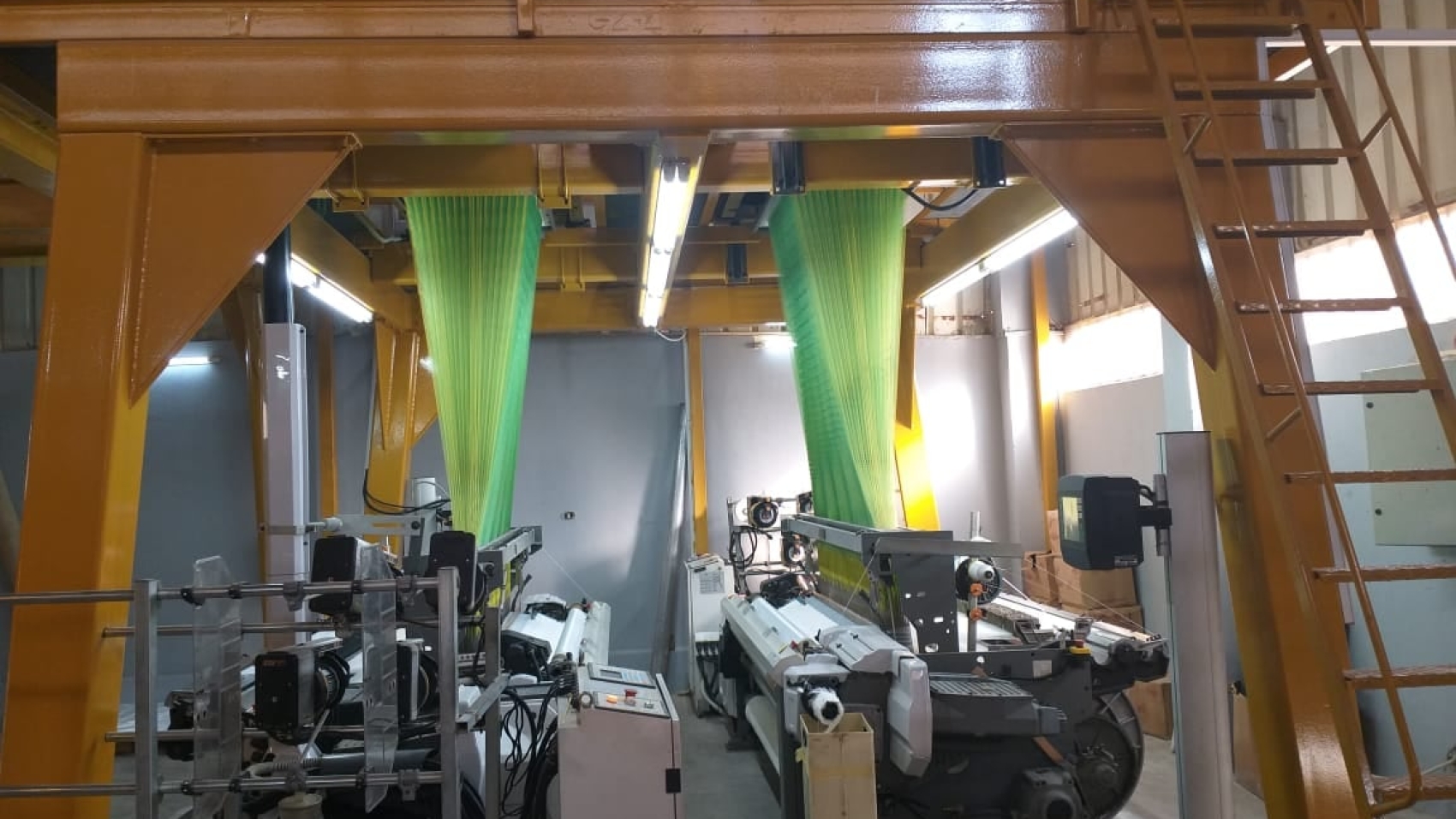
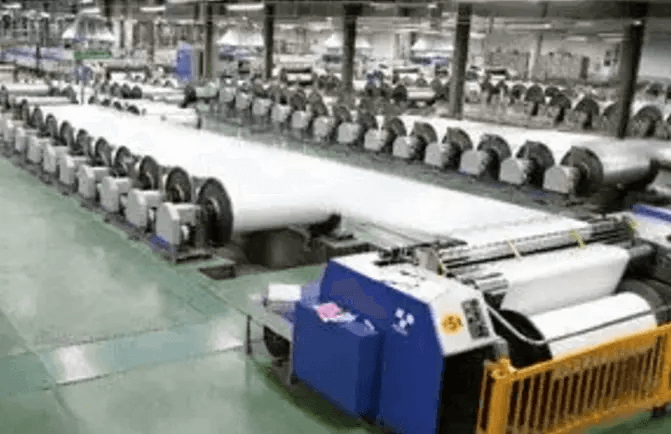
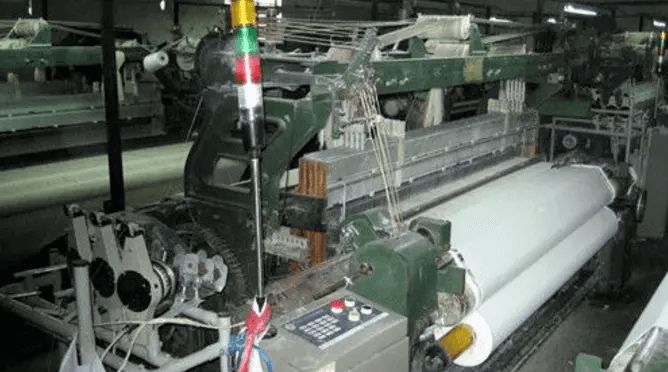
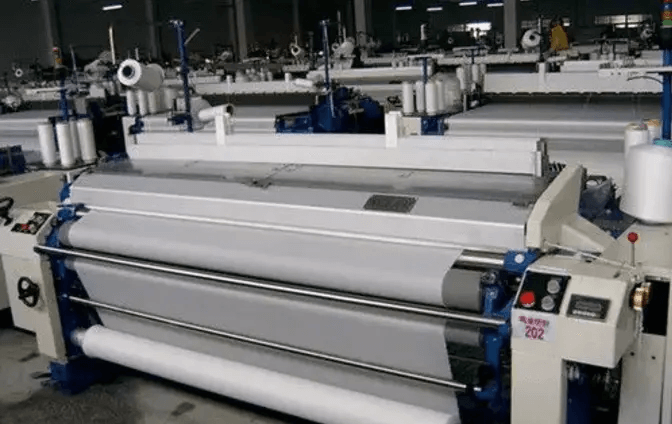
  • آلات النسج: تُستخدم لنسج الخيوط، مثل النول.
  • آلات الوبر: تُستخدم لصنع المنسوجات حيث يتم إدخال الفراء في القاعدة، مثل السجاد أو القفازات.
  • آلات التلحيم: تُستخدم لتلحيم المنسوجات.
  • آلات قياس القماش: تُستخدم لقياس القماش.
  • آلات قص القماش: تُستخدم لقص القماش.
  • آلات الخياطة الصناعية: آلات خياطة كبيرة.
  • آلات التطريز: تُستخدم لإنشاء القماش المطروز، مثل المناشف ذات الأحرف الأولى.
WhatsApp Image 2021-07-28 at 1.58.53 AM

Types of Machines Used in Textile Industries

Textiles are a type of cloth or woven fabric; its creation involves several processes than one might think. The production of fibers are spun into yarns, and are then used to create fabrics into many other sub-processes. Textile production is no simple task. Even once fabrics are created they must be pre-treated, dyed or printed, then finished with a treatment.

Types of Textiles

Textiles vary from felts to knits, and even cloths so tightly woven that they appear to be of a single piece. As you can imagine, there are machines tasked with many parts of these processes in order to make the production of textiles as smooth as possible. Cotton is one of the most commonly used fabrics, so many machines are based around the fabrication of cotton.

Machines Involving Fiber/Thread/Yarn Production

Every article of clothing has a different instruction label for machine washing and drying. These materials vary from cotton, wool, flax, ramie, silk, leather or even synthetic materials. All of these materials need to be handled and cared for specially to retain their shape after multiple washes.

  • Woolen Mill Machines – used to develop wool into yarn
  • Thread Winding Machines – used to wind thread onto spools
  • Bleaching/Dyeing Machines – used to bleach or dye thread, fibers, or fabric
  • Scutching Machines – used to separate cotton seeds from the cotton
  • Carding Machines – used to prepare the wool for being made into yarn
  • Spinning Machines – used to spin yarn
  • Yarn Gassing Machines – used as a Bunsen burner to heat the yarn, getting rid of excess fuzz and deepening the color

Machines Involving Textile Production

After the thread, yarn or fibers are turned into a more usable material, they are then woven, knitted, tufted or made into a cloth or textile. That is not all: The textiles are sewn, quilted or they can be layered for different types of insulation or for other purposes. The product can also be dyed or treated at different points in the process. The textile is then measured and cut, if necessary, so that it can be shipped to sellers.

  • Knitting Machines – used to knit yarn
  • Crochet Machines – used to crochet yarn
  • Lace Making Machines – used to weave thread into lace
  • Weaving Machines – used to weave thread, such as a loom
  • Tufting Machines – used to make textiles where fur is inserted into a base, like carpets or mittens
  • Quilting Machines – used to quilt textiles
  • Cloth Measuring Machines – used to measure cloth
  • Cloth Cutting Machines – used to cut cloth
  • Industrial Sewing Machines – large sewing machines
  • Monogramming Machines – used to create monogrammed fabric, such as towels with initials on them
OIP

الدليل الشامل لآلات صناعة النسيج: الأنواع، الاستخدامات، والتطورات

في عام 2021، بلغت قيمة السوق العالمي للنسيج حوالي 998 مليار دولار أمريكي، ومن المتوقع أن ينمو بمعدل نمو سنوي مركب يبلغ 3.9٪ من 2022 إلى 2030، مما يعكس أهمية صناعة النسيج العالمية.

تعد صناعة النسيج ذات تأثير اقتصادي واجتماعي كبير، حيث توفر ملايين الوظائف في جميع أنحاء العالم. وتشمل هذه الصناعة مجموعة واسعة من المنتجات، من الملابس والمنسوجات المنزلية إلى الأقمشة الصناعية. وقد ساهمت الابتكارات التكنولوجية في تحسين كفاءة الإنتاج، وخفض التكاليف، وتحسين جودة المنتجات، مما أدى إلى تطوير أنواع جديدة من الأقمشة التي تلبي احتياجات المستهلكين المتغيرة.

الأهمية والتأثير

إلى جانب أهميتها الاقتصادية، فإن لصناعة النسيج تأثيرات اجتماعية وبيئية. ومع تزايد الاهتمام بالاستدامة، تتبنى الشركات ممارسات صديقة للبيئة لتقليل النفايات وخفض الانبعاثات الكربونية. ويضمن التزام الصناعة بالابتكار قدرتها على التكيف والنمو المستمر، مما يسهم بشكل كبير في الاقتصادات العالمية.

أنواع آلات صناعة النسيج

تشمل صناعة النسيج مجموعة متنوعة من الآلات المخصصة لعمليات مختلفة، حيث يلعب كل جهاز دوراً حيوياً في تحويل المواد الخام إلى منتجات نهائية:

  1. آلات الغزل: تشمل ماكينات الغزل الإطارات والمغازل الدوارة وآلات الغزل الحلقي والمفتوح. هذه الفئة ضرورية لتحويل الألياف الخام إلى خيوط.
  2. آلات النسيج: تستخدم لتشابك خيوط السدى واللحمة لإنتاج الأقمشة. تشمل الأنواع الأنوال المكوكية، وأنوال المقذاف، وأنوال النفاثة الهوائية، وأنوال النول الرابير، وكل نوع يلبي احتياجات نسج مختلفة.
  3. آلات الصباغة والطباعة: تستخدم لتطبيق الألوان والأنماط على الأقمشة، وتشمل أوعية الصباغة، وآلات الصباغة النفاثة، وآلات الصباغة المستمرة. تعتبر تقنية صباغة الحبل من الطرق الشائعة لصباغة الإنديجو.
  4. آلات التشطيب: تعمل على تحسين خصائص ومظهر الأقمشة، وتشمل عمليات مثل الغسل، والتبييض، والمعالجة بمادة الميرسر، والطلاء لتحسين المنتج النهائي.
  5. آلات القطع: تستخدم للقص الدقيق للأقمشة أو الأنماط، وتشمل آلات القص بالقوالب، وآلات القص بالليزر، وآلات القطع بالتحكم الرقمي CNC.
  6. آلات اختبار النسيج: تختبر جودة وأداء الأقمشة، وتشمل آلات اختبار قوة الشد، وثبات اللون، ومقاومة التآكل وغيرها من الخصائص الفيزيائية والكيميائية.

استخدامات آلات النسيج

تلعب آلات النسيج أدواراً متعددة لتسهيل عملية الإنتاج:

  • القطع: تضمن ماكينات القطع الدقيق مطابقة الأنماط بشكل مثالي، مما يقلل من الفاقد ويحسن الكفاءة.
  • النشر: تُستخدم أجهزة النشر الأوتوماتيكية لترتيب وتكديس الأقمشة لقصها، مما يجعل العملية أسرع وأكثر أمانًا.
  • التشذيب: تُستخدم ماكينات التشذيب لتشطيب الحواف ومنع تفكك الأنسجة، وتستخدم بعد النشر للحفاظ على سلامة القماش.
  • الخياطة: تتخصص ماكينات الخياطة في تجميع القطع معًا، حيث تتميز كل ماكينة بدورها المحدد في خط الإنتاج.
  • التشطيب النهائي: تشمل إضافة السحابات، والأزرار، واللمسات النهائية الأخرى لإضفاء الطابع النهائي والوظيفي على الملابس.
  • التحكم بالجودة: تضمن عمليات فحص الجودة بعد الإنتاج أن المنتجات تلتزم بالمعايير قبل الوصول إلى المستهلكين.
  • التوسيم والتخزين: يساعد التوسيم والتخزين الصحيحان في الحفاظ على تنظيم عملية التصنيع وضمان وصول المنتجات إلى وجهتها الصحيحة.

الخلاصة

تلعب آلات النسيج دوراً حيوياً في تحسين كفاءة وفعالية عمليات التصنيع. من القطع والخياطة إلى مراقبة الجودة، تساهم هذه الآلات في إنتاج المنسوجات عالية الجودة التي تلبي احتياجات الأسواق العالمية. ومع استمرار التقدم التكنولوجي، ستواصل آلات النسيج تعزيز قدراتها، مما يزيد من تأثير الصناعة في التجارة العالمية.

OIP

The Ultimate Textile Machinery Guide: Types, Uses, and Advancements

Back in 2021, the global textile market was worth a whopping USD 998 billion. And guess what? Experts are predicting a CAGR growth rate of 3.9% from 2022 to 2030. That’s a clear indicator of just how crucial the textile manufacturing industry is on a global scale.

The textile sector is crucial to economies all around the world since it creates jobs and generates significant income. It is a sector that includes the manufacture of a range of textile-based goods, such as clothes, textiles for the home and office, industrial textiles, and more.

The textile sector has also transformed thanks to technological and creative advances. To increase production effectiveness, lower costs, and improve the quality of textile products, manufacturers are utilizing new techniques and processes. To meet changing customer preferences and needs, this emphasis on scientific and technological developments has also resulted in the production of new types of fabrics.

The importance of the textile industry goes beyond purely economic considerations. Additionally, it has social and environmental repercussions. With a rising focus on lowering the industry’s carbon footprint and minimizing waste, sustainable practices and eco-friendly projects have gained pace. The sector also helps to create jobs indirectly and directly by providing employment opportunities along the entire textile supply chain.

Considering its vast market size and continuous growth potential, the textile manufacturing industry remains a key player in global commerce. As consumer needs and preferences continue to evolve, the industry will adapt, innovate, and continue to contribute to economies worldwide.

What Are The Types Of Textile Machinery?

When it comes to textiles, there’s a wide variety out there. We’ve got everything from felts to knits, and even fabrics that are so tightly woven they look like one solid piece. It’s pretty amazing, right? Well, to make all these different textiles, there are machines specifically designed for various parts of the process.
For instance, let’s talk about cotton. It’s one of the most commonly used fabrics out there, so it’s no surprise that there are lots of machines dedicated to its fabrication. These machines play a crucial role in turning cotton fibers into the textiles we all know and love.

From the initial stages of processing raw cotton to spinning it into yarn, there are machines involved every step of the way. We’ve got cotton gins that separate the cotton fibers from the seeds, and spinning machines that transform those fibers into yarns. These yarns are then ready to be transformed into various textiles through weaving or knitting.
Whether it’s the machines that weave the yarns together to create fabric or the ones that knit them into cozy sweaters, each textile machine has its important task. They ensure that the production process goes smoothly and efficiently, so we can have a wide range of cotton textiles to choose from.

It’s amazing to see how technology has developed to satisfy textile industry expectations. These devices have sped up, improved, and widened access to textile production.

Different Types Of Textile Machineries Used For Various Textile Operations

Numerous textile machines are employed during the manufacturing process. Here are a few of the most typical:
The tools needed to spin fibers into yarn fall under this category. Spinning frames, spinning mules, and spinning equipment including ring and open-end rotor machines are a few examples.

Warp and weft yarns are interlaced using weaving machinery to create fabric. There are several different kinds of looms in this category, including shuttle looms, projectile looms, air-jet looms, and rapier looms. Among them, direct warping, also known as beam warping, is a particular kind of equipment that quickly warps yarn on high-speed looms.

Dyeing and Printing Machinery: These machines are used to apply color and patterns to fabrics. Dyeing machinery includes machines for dyeing yarns or fabrics, such as dyeing vats, jet dyeing machines, and continuous dyeing machines. Rope Dyeing is the popular method for Indigo Dyeing.

Finishing Machinery: Finishing machines are used to enhance the properties and appearance of fabrics. They can include machines for processes like washing, bleaching, mercerizing, dyeing, coating, etc.

Cutting Machinery: Cutting machines are used to cut fabric or patterns accurately. They can include cutting tables, die-cutting machines, laser-cutting machines, and computerized numerical control – CNC cutting machines.
Textile Testing Machinery: These machines are used to test the quality and performance of textiles. They include machines for testing tensile strength, color fastness, abrasion resistance, and other physical and chemical properties of fabrics

What Are The Different Uses of Textile Machineries?

Following are the significant uses of various textile machinery making everything efficient and smooth.

Cutting

Cutting is a super important step in the textile industry. You need precision and accuracy when it comes to overlapping patterns on a desk. That’s where cutting machines come in handy. They make this process way more efficient, saving time and effort.

Spreading

Now, when it comes to spreading, an automatic spreader is the go-to choice. It’s perfect for cutting fabrics because it aligns and stacks them neatly. This means the whole activity becomes faster, safer, and even more cost-effective.

Overlock

It’s a key player in the textile industry. This little beast takes care of finishing the edges of the cut pieces, preventing fraying. But here’s the thing – sometimes it’s better to do the overlock at the end, along with the sewing stage. Why? Well, depending on the fabric type, doing the overlock right after spreading can damage the piece

Sewing

Next up, we’ve got sewing, one of the most crucial stages in clothing manufacturing. This is where the pieces are stitched together, and boy, does it require some specialized textile machines. Each machine on the production line has its function, making the sewing process efficient and top-notch.

Finishing

Finishing touches matter, my friend. That’s where you add zippers, buttons, seams, unique cuts, and other accessories by hand. It’s like giving the garments that final touch of personality and style.

Quality control

After the whole manufacturing process, it’s vital to put the pieces through some quality control. We want the products to reach customers just as planned, right? So, this step ensures that everything is up to snuff.

Labeling and storage

Last but not least, we got to label and store the pieces correctly before they head out for distribution. We want to keep things organized and make sure the right garments end up in the right hands.

In Conclusion

So, there you have it! Textile machines play a huge role in making the manufacturing process more efficient and effective. They cut, spread, overlock, sew, and add those finishing touches. With proper quality control and careful labeling, these machines help get the products to the customers with style.

162457202_860861344475379_8183301649676303522_n

10 أنواع من آلات النسيج المستخدمة بشكل شائع في مصانع النسيج

تشير آلات النسيج إلى جميع أنواع الآلات والمعدات اللازمة لتحويل الألياف الطبيعية أو الكيميائية إلى منسوجات. وبالمعنى الواسع، تشمل آلات النسيج أيضًا الآلات الكيميائية التي تنتج الألياف الكيميائية. هذه الآلات تشكل الأساس المادي لطريقة إنتاج صناعة النسيج، حيث يرتبط مستوى التكنولوجيا وجودة التصنيع وتكاليفها بشكل مباشر بتطور هذه الصناعة.

10 أنواع من آلات النسيج

إليك 10 أنواع من آلات النسيج التي تُستخدم بشكل شائع في مصانع النسيج:

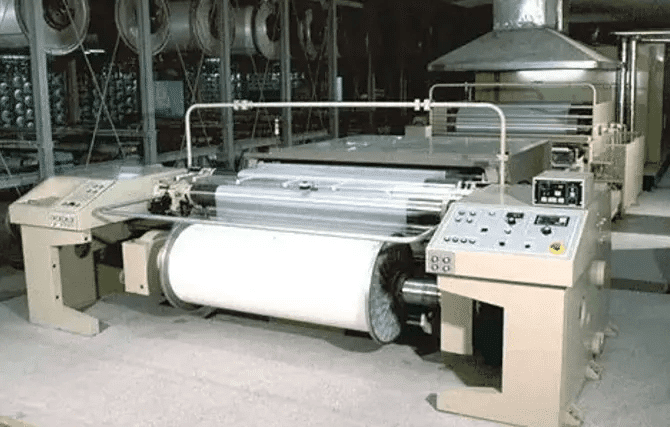
آلة التسدية (Warping Machine)
تستخدم آلة التسدية للف الخيوط على بكرات كبيرة، وتعد هذه العملية أساسية للتحضير لعملية النسج.

آلة التحجيم (Sizing Machine)
تُستخدم آلة التحجيم لتغليف الخيوط بالكامل بمادة سائلة لتحسين متانتها ومنع تآكلها أثناء عملية النسج.

آلة إعادة التبييت (Re-beaming Machine)
تستخدم هذه الآلة لدمج الخيوط من عدة بكرات في حزمة واحدة لتحقيق العدد المطلوب من خيوط السدى.

آلة التواء متعددة (Multiple Twisting Machine)
تستخدم هذه الآلة لتدوير الخيوط، حيث يمكن أن تكون عملية الالتواء باتجاه عقارب الساعة (يطلق عليه التواء “S”) أو عكس عقارب الساعة (يطلق عليه التواء “Z”).

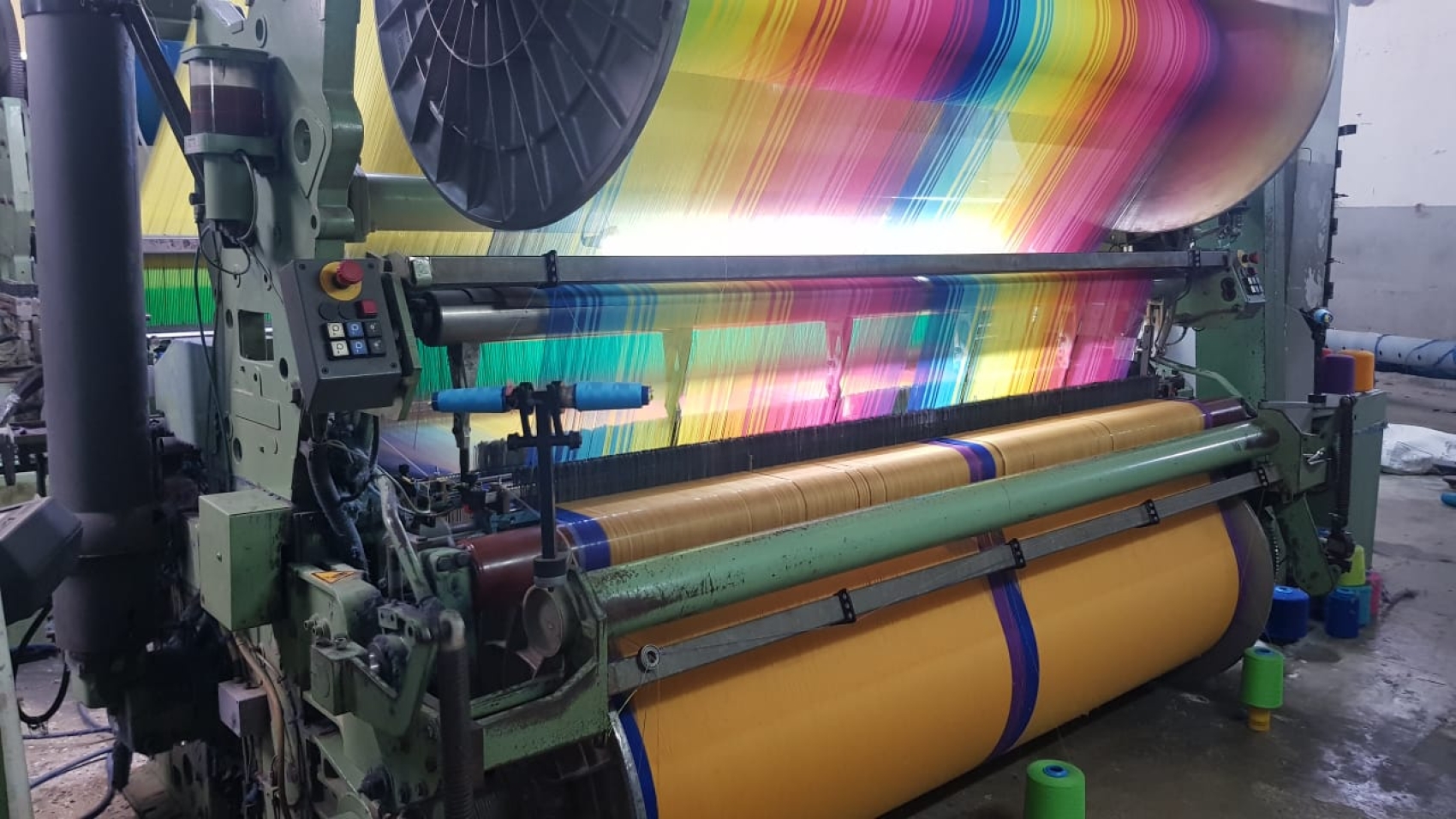
نول الشريط (Rapier Loom)
هو نوع من الأنوال يستخدم شوكة متحركة لإدخال اللحمة عبر الفتحة. يتميز هذا النول بإمكانية نسج الأقمشة العريضة متعددة الألوان أو ذات الخيوط السميكة.

نول النفاثة المائية (Water Jet Loom)
هو نول بدون مكوك يستخدم نفث الماء لإدخال اللحمة عبر الفتحة. يتميز بسرعته العالية وكفاءته الإنتاجية.

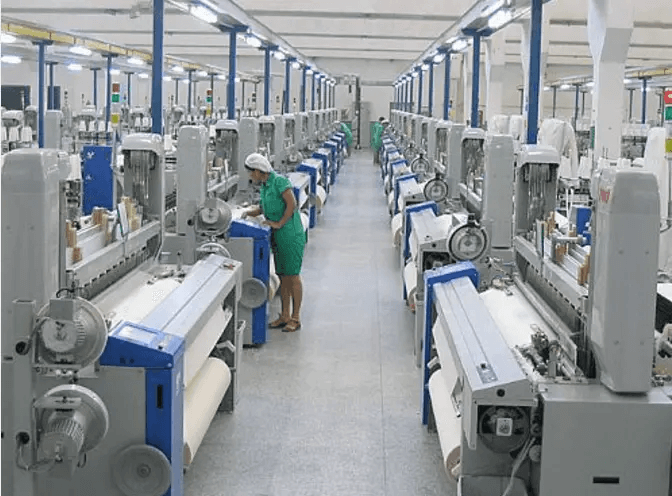
نول النفاثة الهوائية (Air Jet Loom)
يشبه نول النفاثة المائية، لكنه يستخدم الهواء لإدخال اللحمة. يتميز بسرعته الأعلى وجودة النسج الأفضل، ولكنه يأتي بتكلفة نسج أعلى.

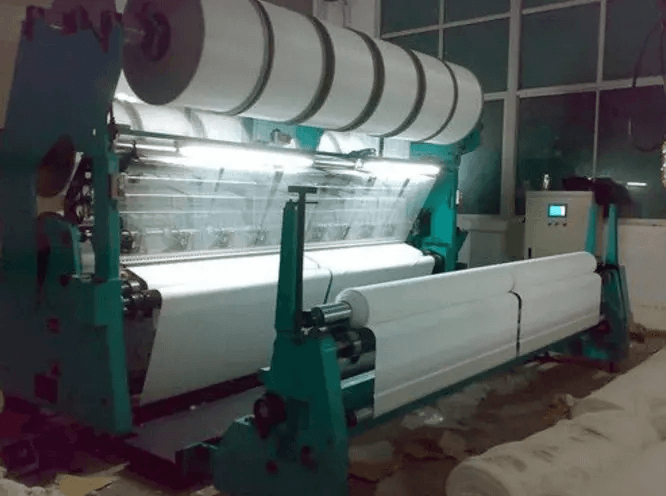
آلة الحياكة بالسدى (Warp Knitting Machine)
تستخدم هذه الآلة لنسج الأقمشة المحبوكة بالسدى، وتعد من الآلات الأساسية في صناعة الحياكة.

آلة الحياكة باللحمة (النوع الدائري) (Weft Knitting Machine – Circular Type)
هي آلة حياكة دائرية تستخدم لنسج الأقمشة المحبوكة باللحمة، وتتميز بإنتاج الأقمشة المرنة مثل القمصان.

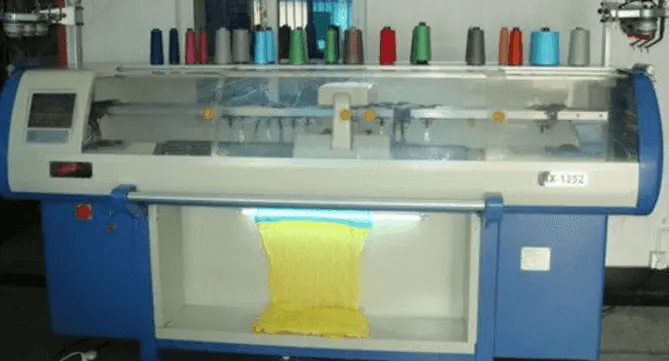
آلة الحياكة باللحمة (النوع المسطح) (Weft Knitting Machine – Flat Type)
هي آلة حياكة طويلة تستخدم لنسج الأقمشة المحبوكة باللحمة بطريقة مسطحة، مما يجعلها مناسبة لإنتاج الأقمشة الثقيلة أو ذات الأشكال المعقدة.

هذه الآلات تعد جزءاً لا يتجزأ من صناعة النسيج، حيث تسهم في زيادة الإنتاجية وتحسين جودة المنتجات، ما يجعلها ضرورية لضمان سير العملية بسلاسة وكفاءة.

162457202_860861344475379_8183301649676303522_n

10 Types of Textile Machinery Commonly Used In Textile Mills

Textile machinery refers to all kinds of machinery and equipment needed to process natural or chemical fibers into textiles. In a broad sense, textile machinery also includes chemical machinery that produces chemical fibers. It is the production method and material basis of the textile industry. Its technical level, quality and manufacturing cost are directly related to the development of the textile industry.

10 Types of Textile Machinery

This article introduces 10 types of textile machinery commonly used in textile mills

Warping Machine

A warping machine is a kind of equipment that is used to roll discs of yarn onto large rollers.

Sizing Machine

A sizing machine is used to sizing the whole yarn to prevent the yarn from being worn during weaving.

Re-beaming Machine

The re beaming machine is used to combine yarns from several creels into one package to achieve the required number of warp yarns.

Multiple Twisting Machine

Multiple twisting machines is a machine for twisting yarn. If the twisting is clockwise, it is called “s” twisting; if twisting is counter-clockwise, it is called “Z” twisting.

Rapier Loom

The rapier loom is a kind of loom that uses a reciprocating rapier fork to draw weft into the shed. Rapier looms have the advantage of low output and can be used to weave fabrics with ultra wide width, multicolor or coarse weft yarns.

Water Jet Loom

Water jet loom is a shuttleless loom that draws weft through the shed by spraying a water column. It has high speed and high output.

Air Jet Loom

Air-jet loom is a shuttleless loom that draws weft through the shed by jet airflow. Its speed is higher than that of a water jet loom, its evenness is better, but its weaving cost is also high.

Warp Knitting Machine

Warp knitting machine is a knitting machine used to weave warp knitted fabrics.

Weft Knitting Machine(Circular Type)

Weft knitting machine (circular type) a circular machine used for weaving weft knitted fabrics.

Weft Knitting Machine(Flat Type)

Weft knitting machine (flat type) is a long knitting machine used for weaving weft knitted fabrics.