Why Choose Used Industrial Weaving Machines? Picanol Gammax and ITEMA R9500

Why Choose Used Industrial Weaving Machines? Picanol Gammax and ITEMA R9500

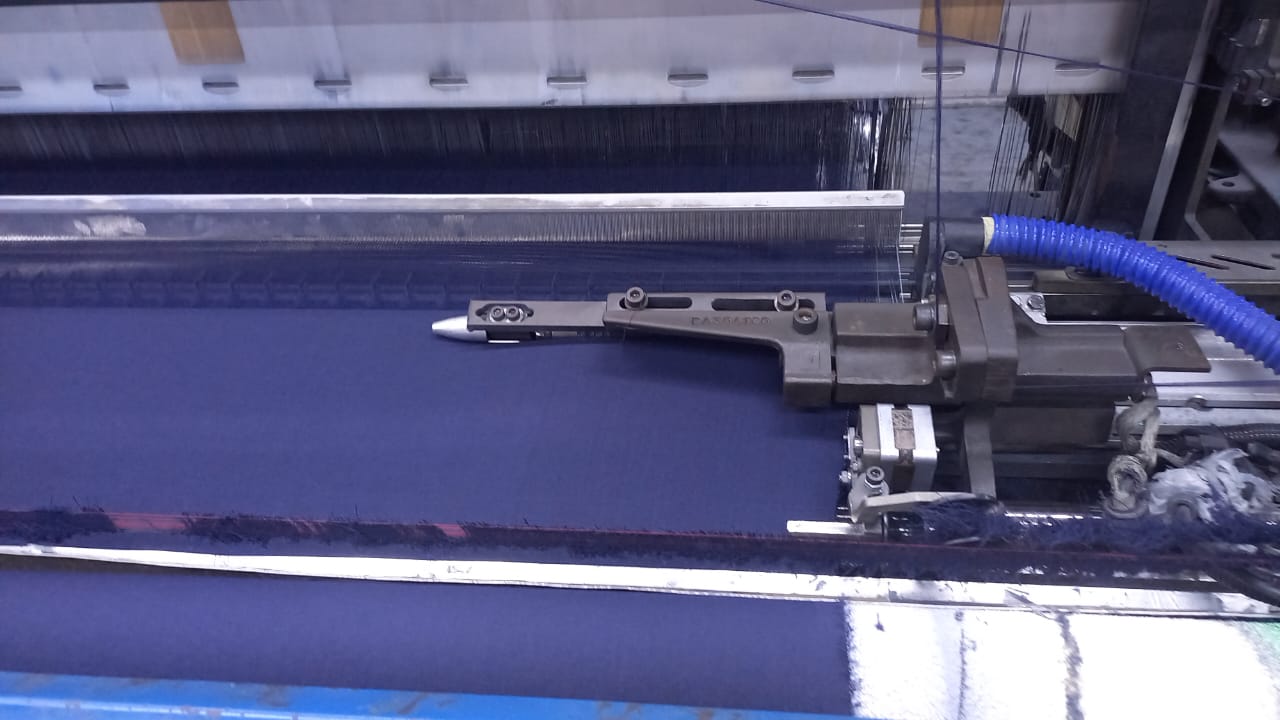
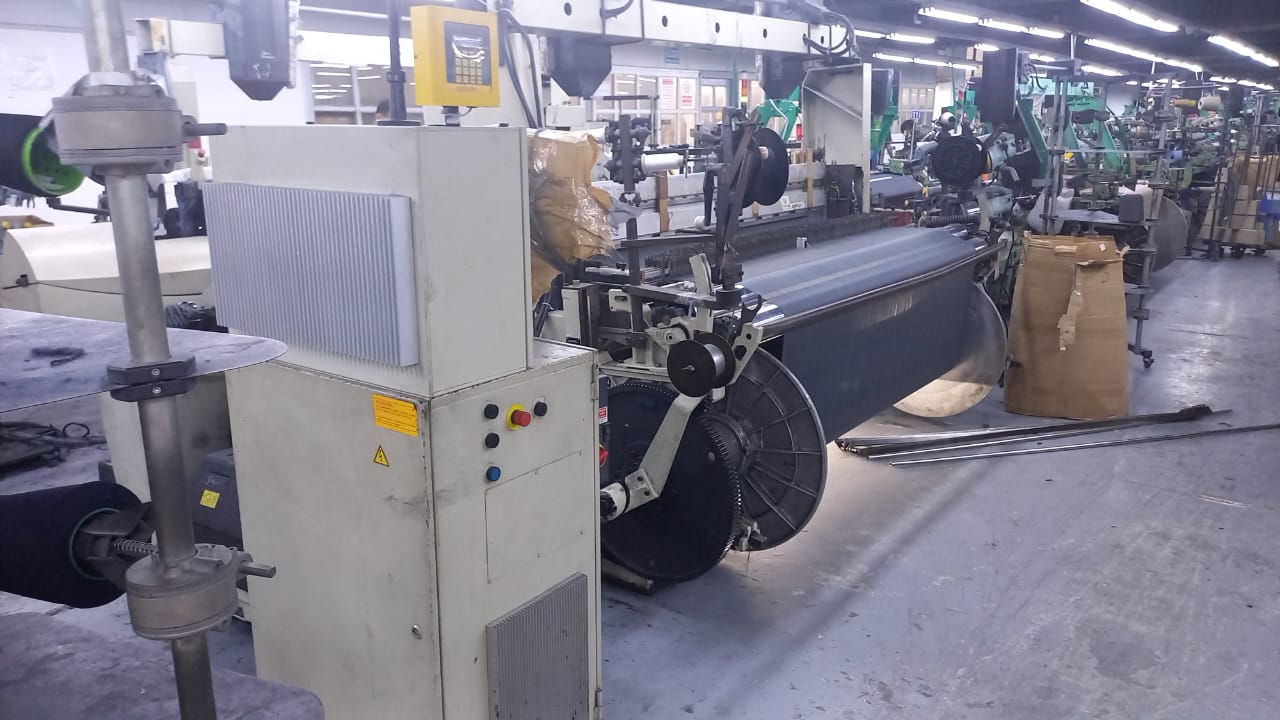
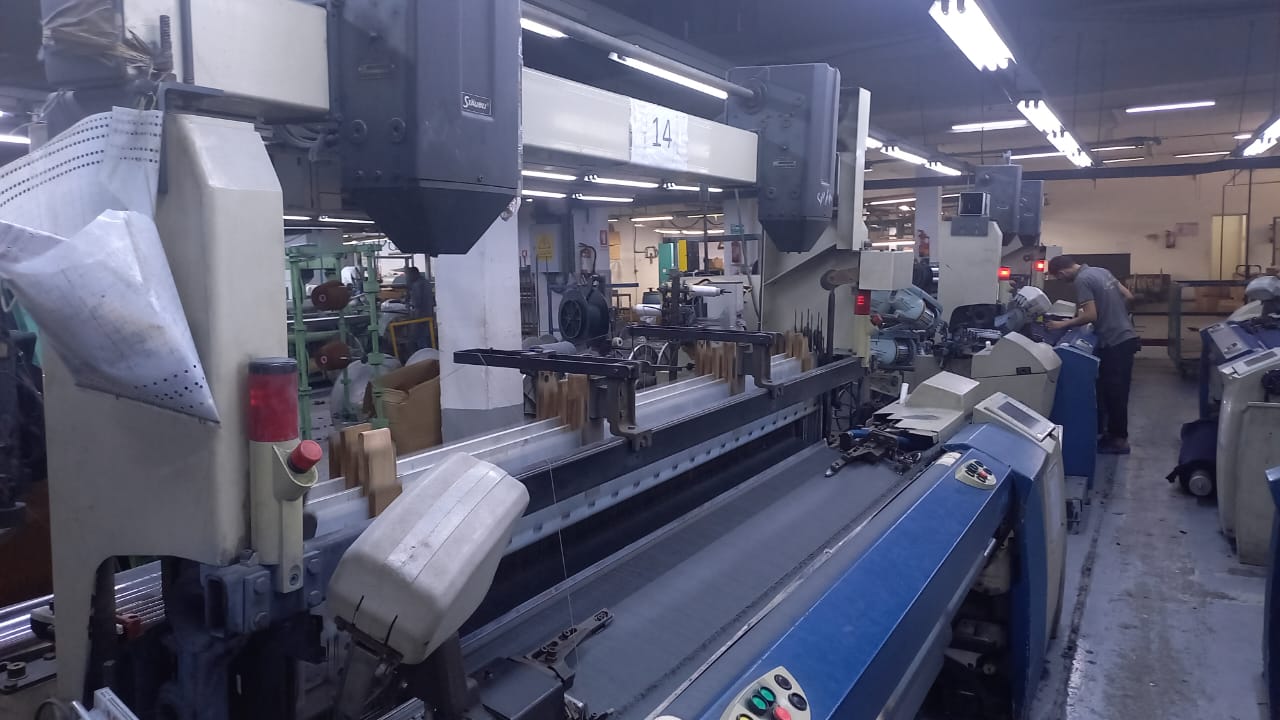
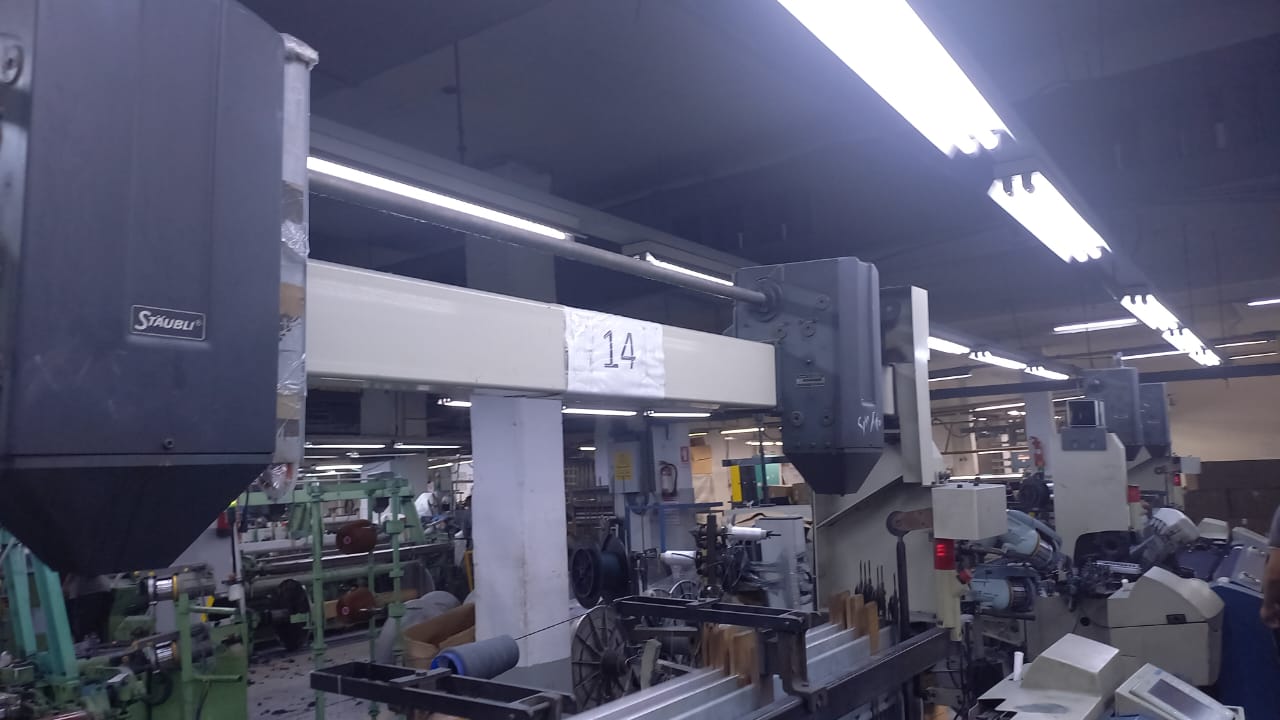
In the competitive world of textile manufacturing, staying ahead requires efficient machinery that delivers precision and durability without breaking the bank. For businesses seeking to optimize production while controlling costs, used industrial weaving machines present an excellent solution. Among the top choices in this category are the Picanol Gammax Dobby and the ITEMA R9500 Loom with Bonas Jacquard.

In this article, we explore why these machines stand out, their features, and how they can enhance your textile operations.


What Makes Used Industrial Weaving Machines a Smart Choice?

Investing in pre-owned weaving machines offers several advantages:

  1. Cost-Effectiveness: Acquiring used machines costs significantly less than new ones, allowing businesses to allocate resources to other critical areas.
  2. Proven Performance: Pre-owned models have a track record, offering reliability and performance.
  3. Faster ROI: With lower initial investment, these machines provide quicker returns on investment.
  4. Immediate Availability: Unlike new machines that may require long lead times, used machines are often ready for immediate deployment.

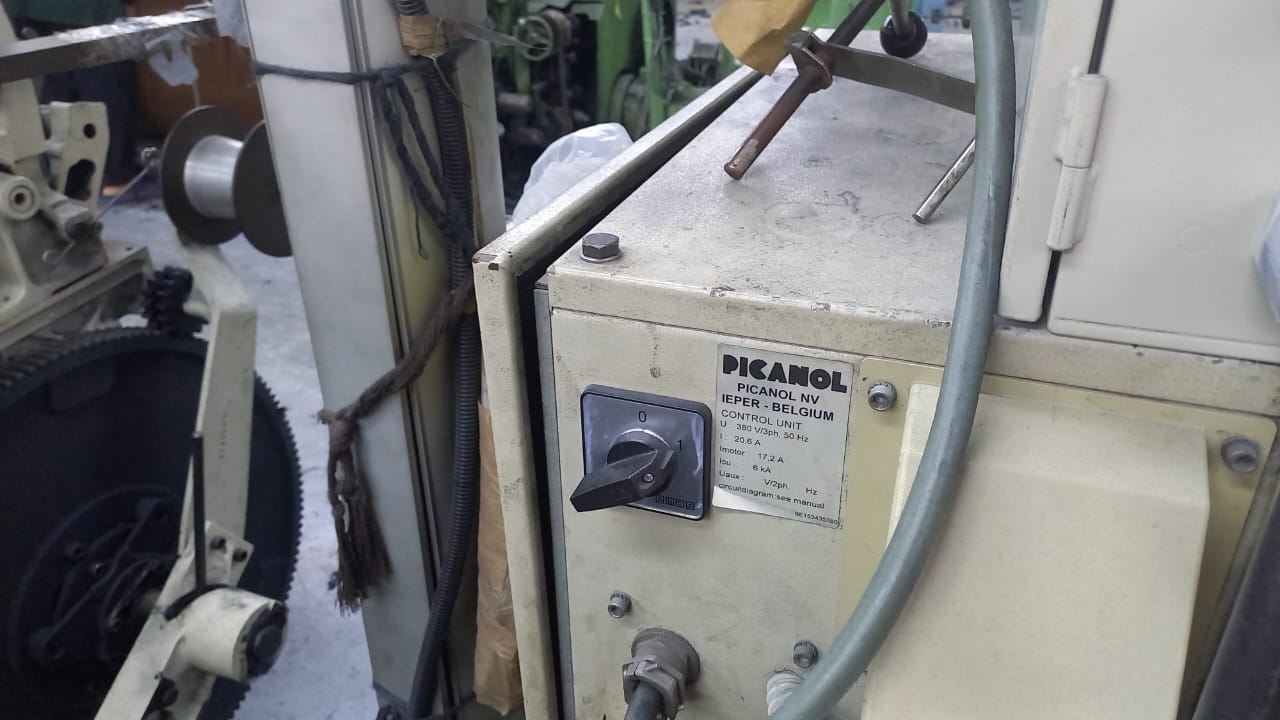
Picanol Gammax Dobby Machines: A Blend of Precision and Versatility

Key Features

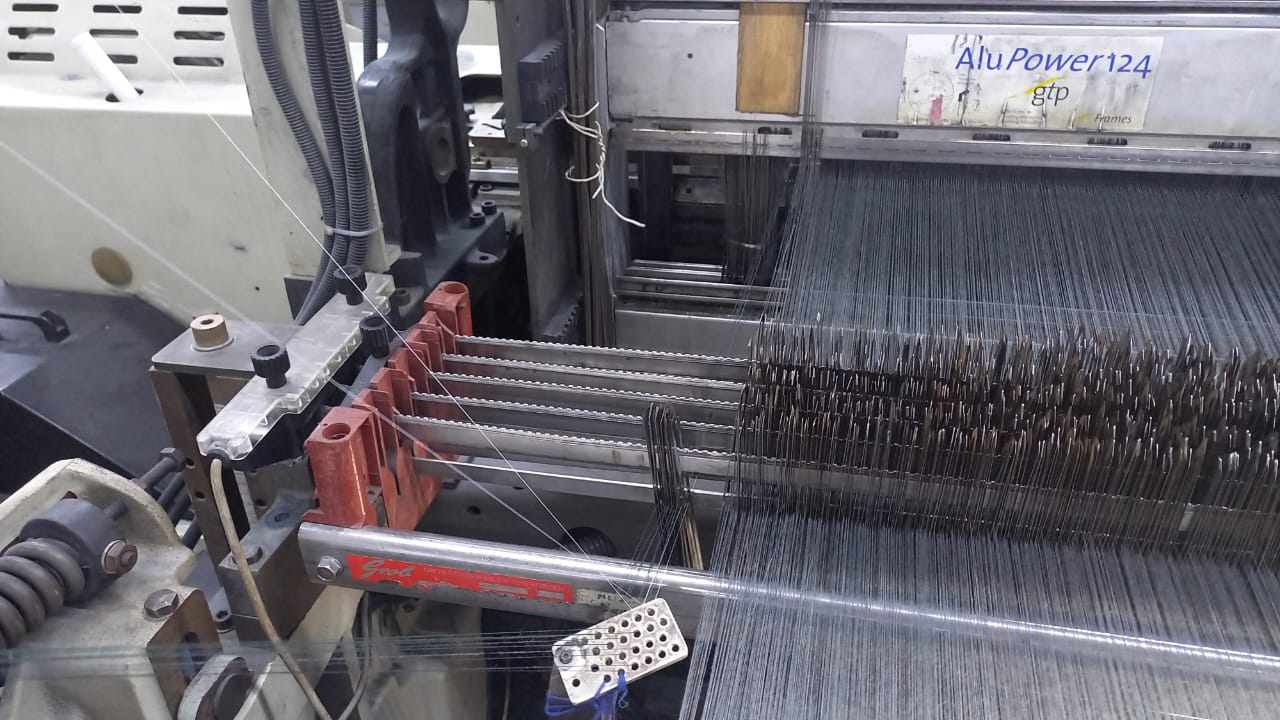
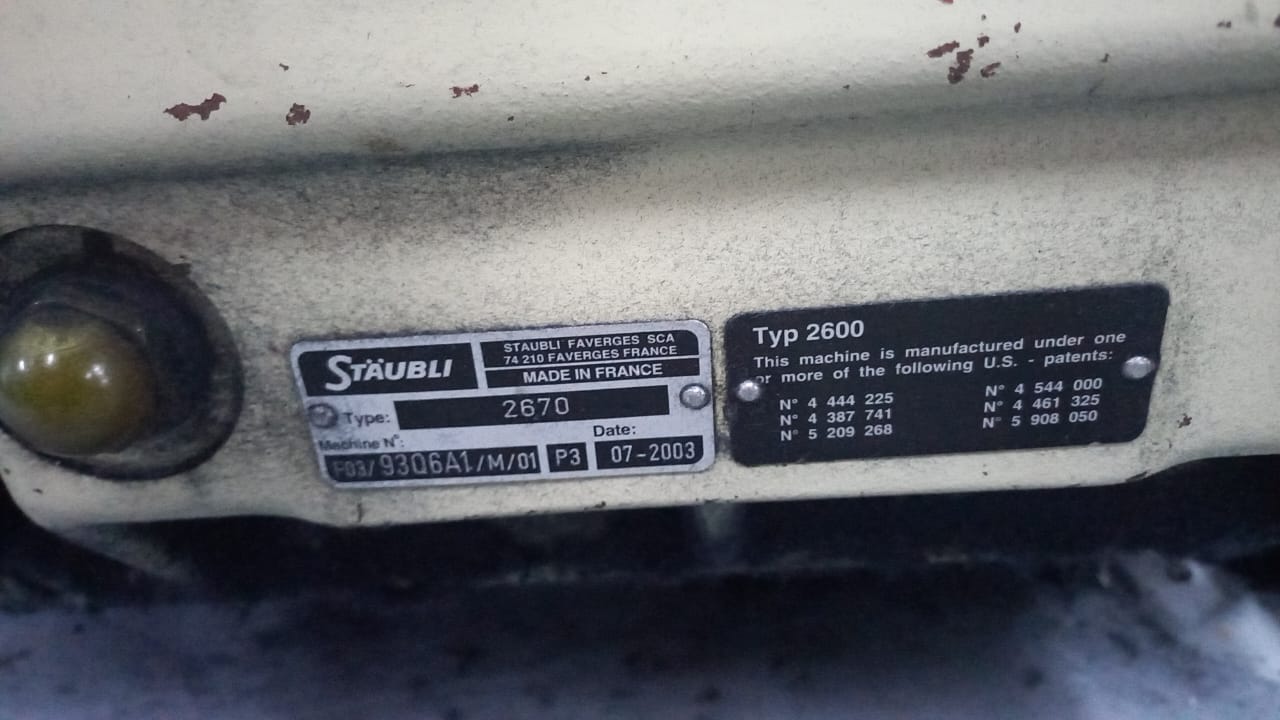
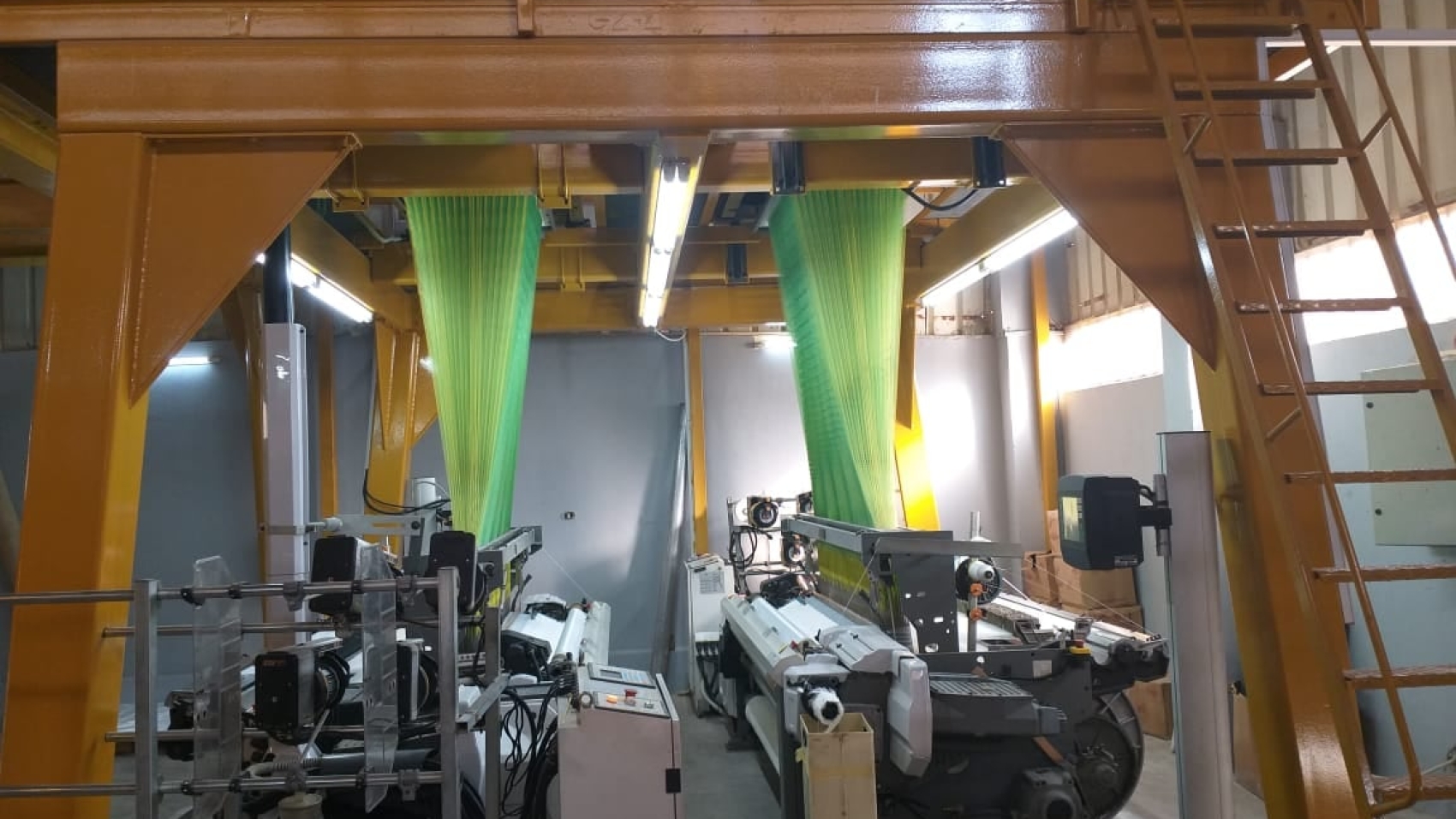
  • Model: Picanol Gammax Dobby 2670 20/20
  • Year: 2003
  • Reed Width: 220 cm, ideal for producing a variety of fabrics.
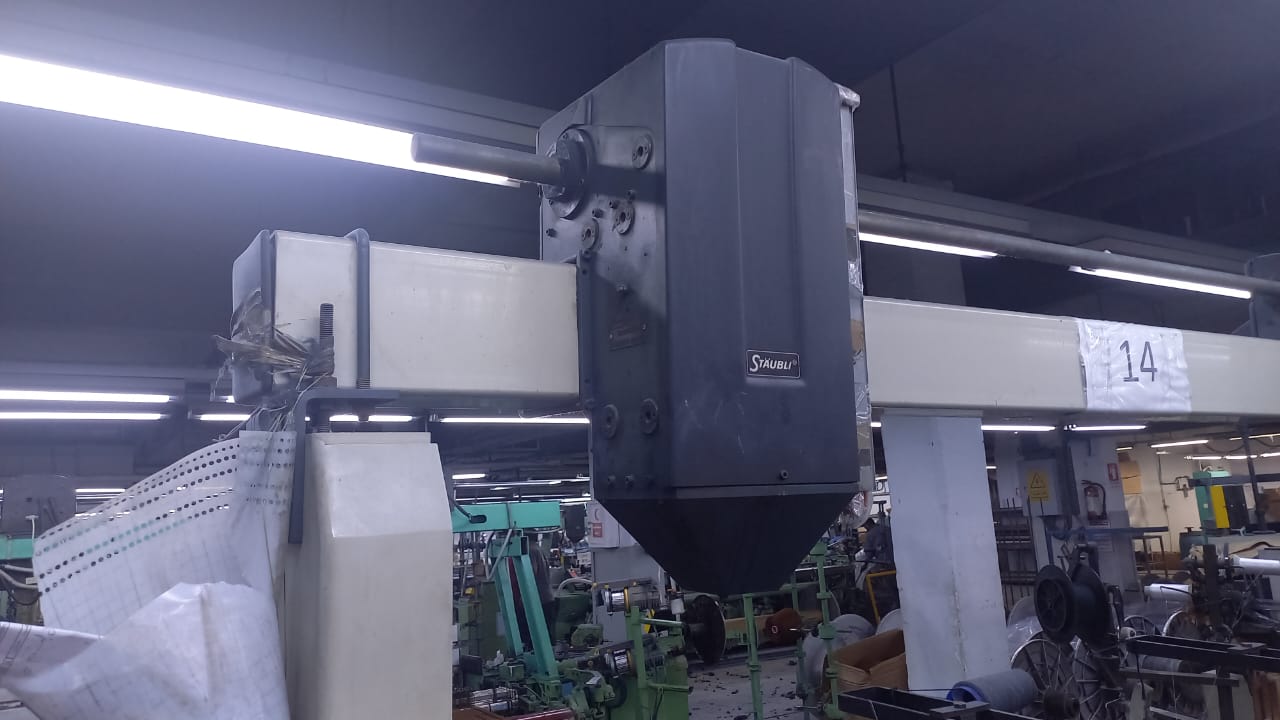
  • Jacquard Equipment: CX160 with 72 hooks for intricate selvage design.
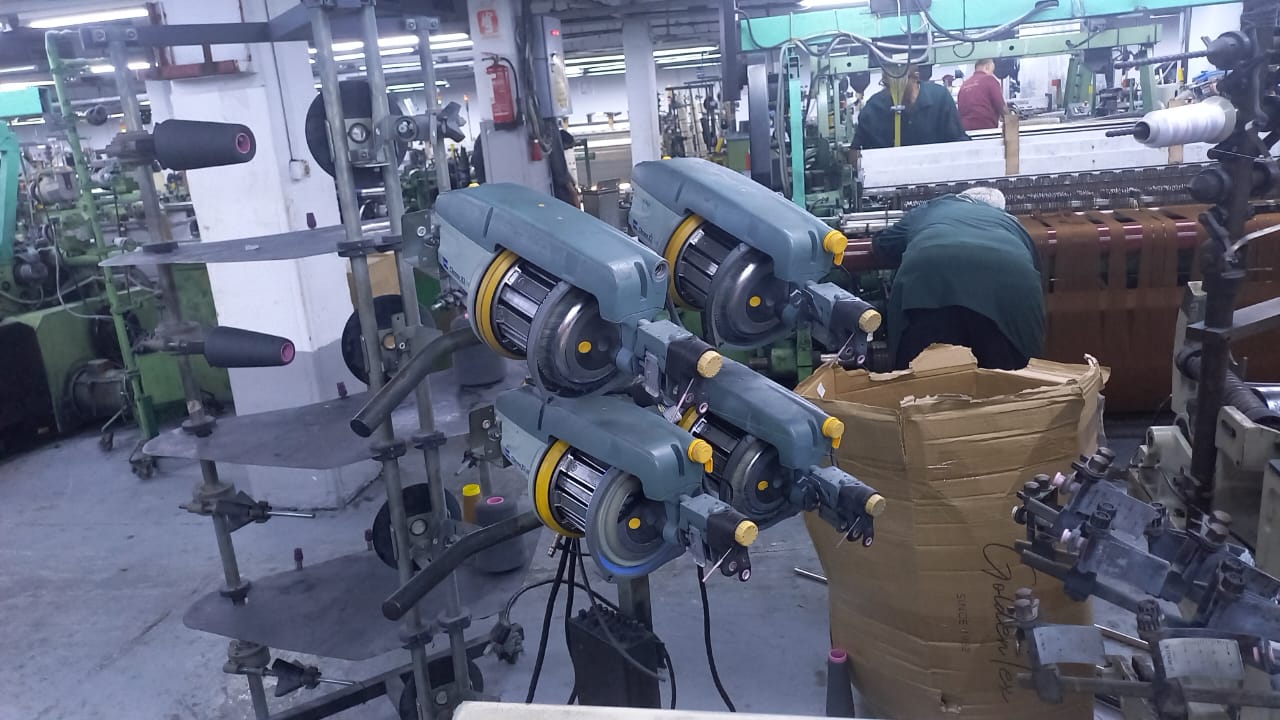
  • IRO Feeders: 4 feeders ensure consistent yarn feeding.
  • Frames: 8 frames allow for flexible and detailed fabric designs.
  • Color Selector: Supports up to 8 colors, making it perfect for multi-color fabric production.
  • Warp and Cloth Rollers: Includes 1.5 warp beams and cloth rollers per machine for seamless handling.
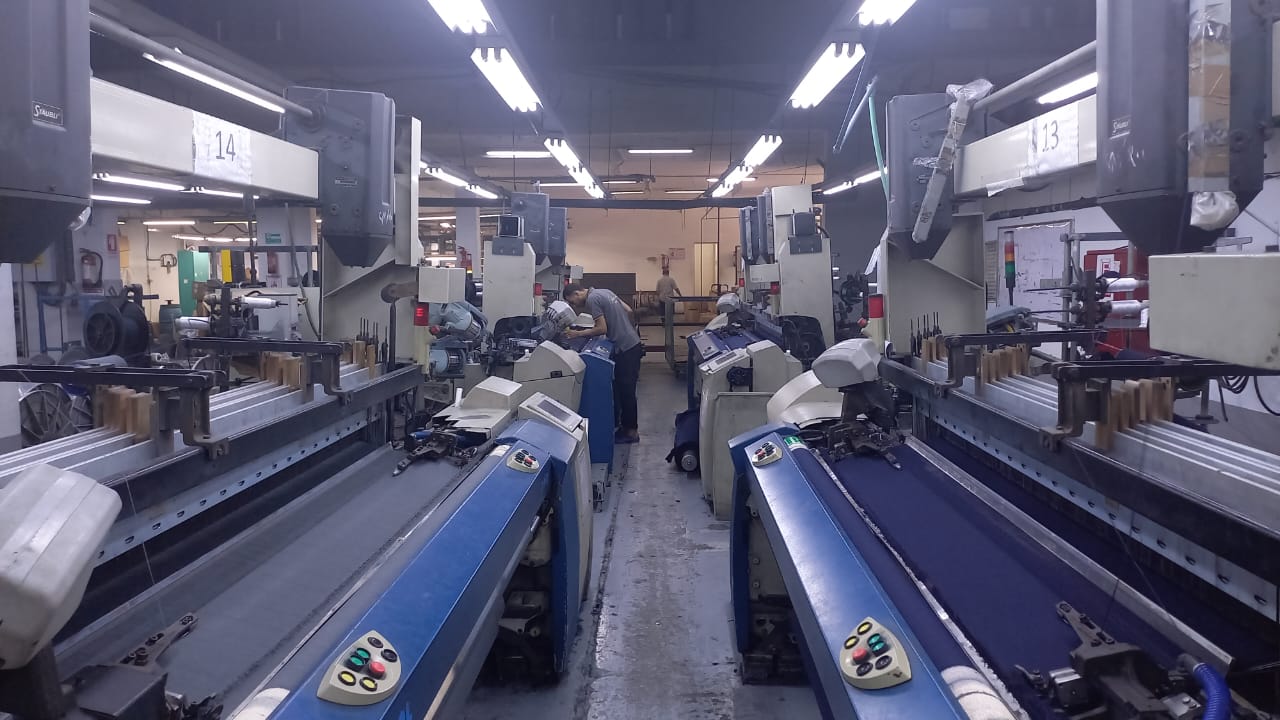
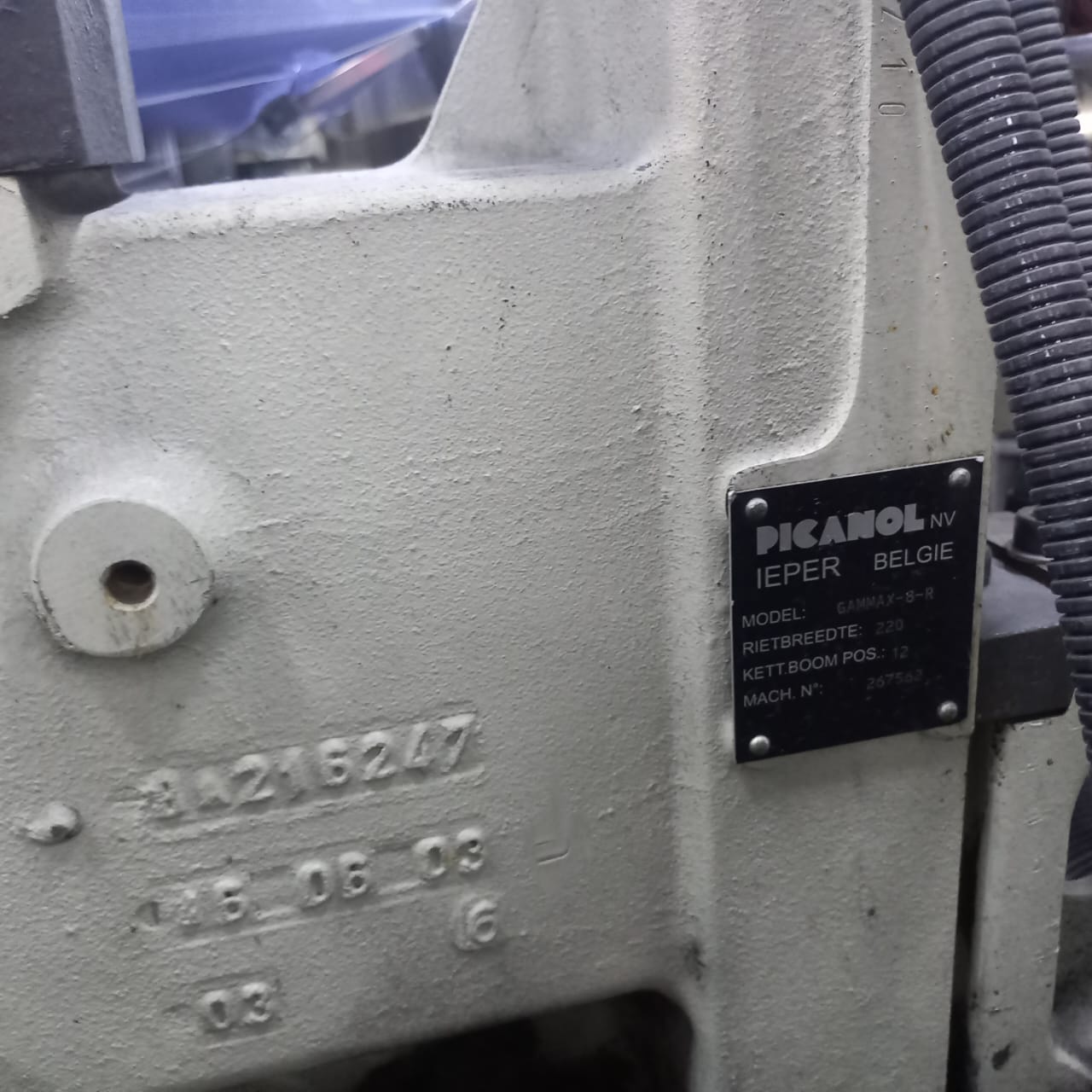
Why Choose the Picanol Gammax Dobby?

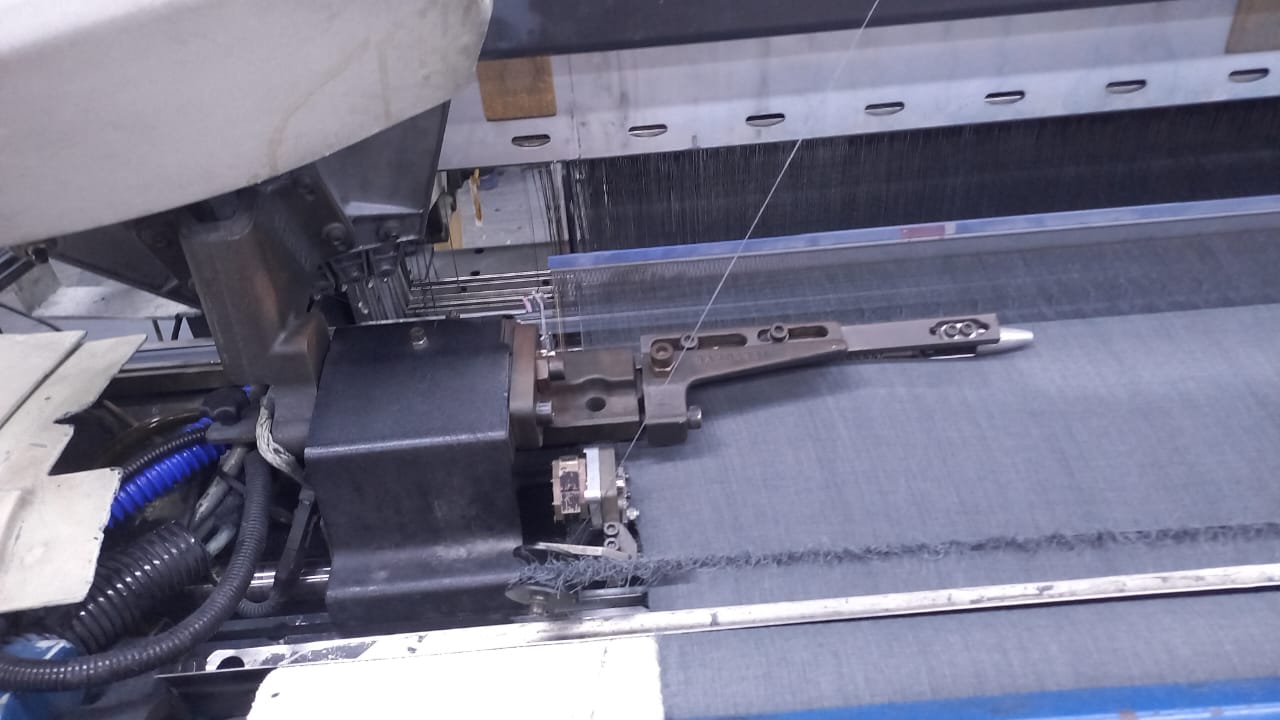
This machine is ideal for manufacturers seeking versatility and precision. Its ability to handle intricate designs with multi-color options makes it a favorite among textile businesses producing high-quality fabrics.

Click here for more info about Picanol Gammax Dobby


ITEMA R9500 Loom with Bonas Jacquard: Power Meets Efficiency

Key Features

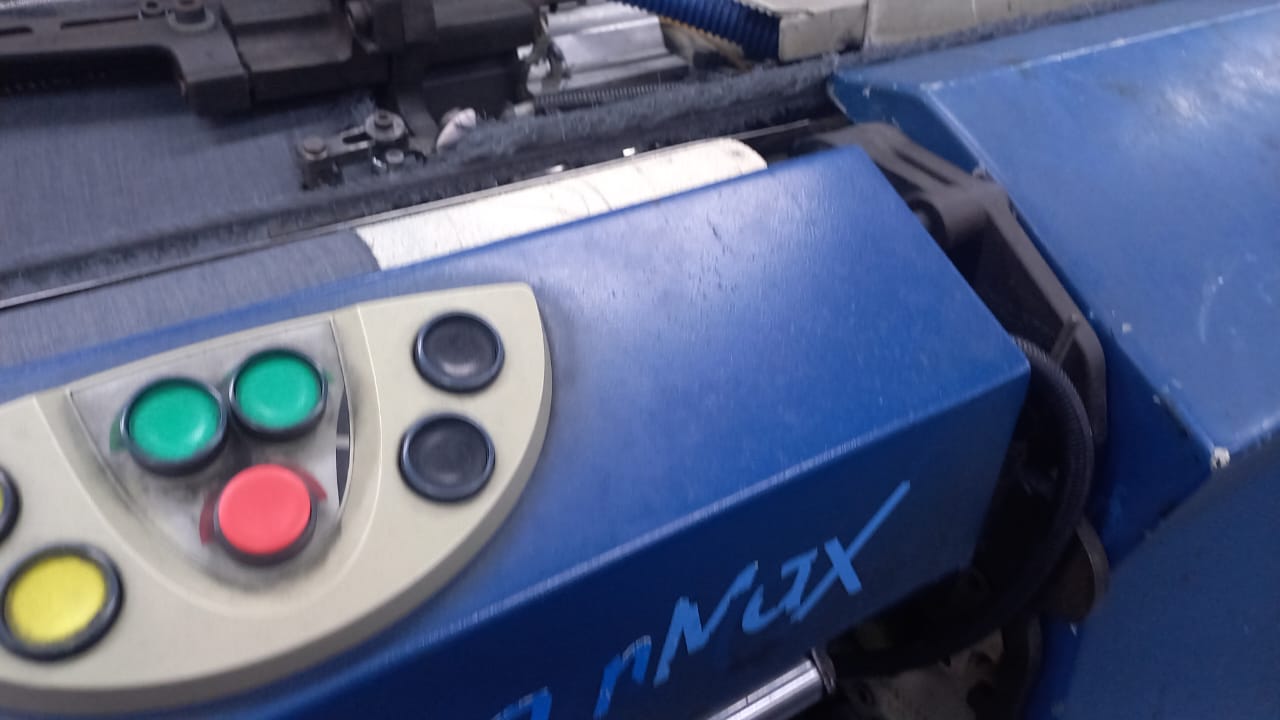
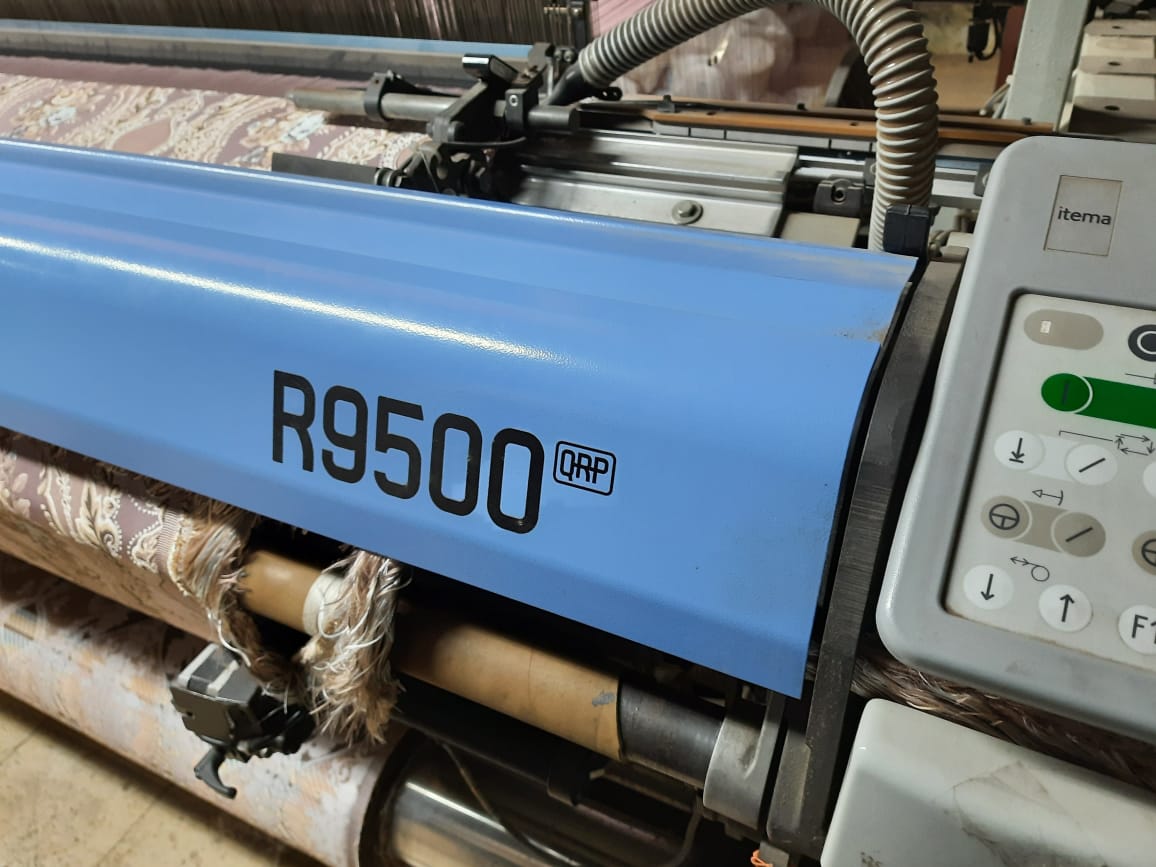
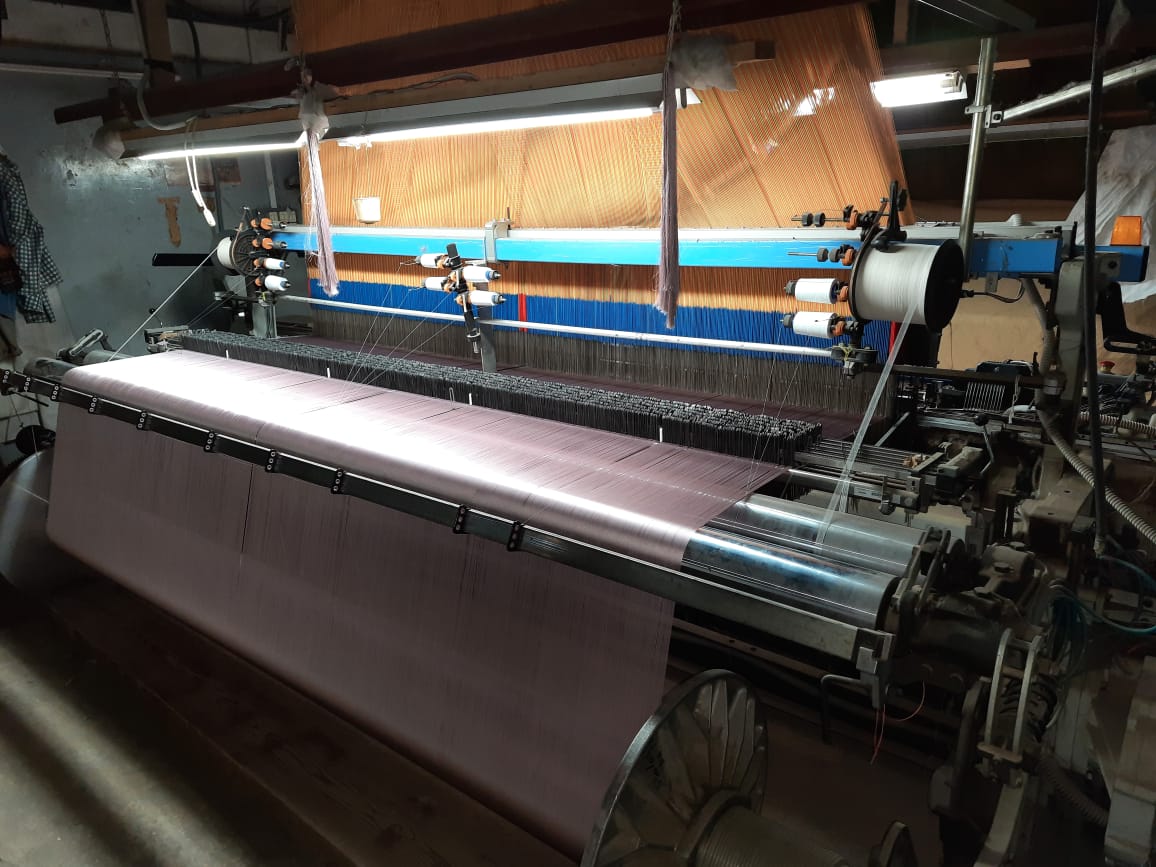
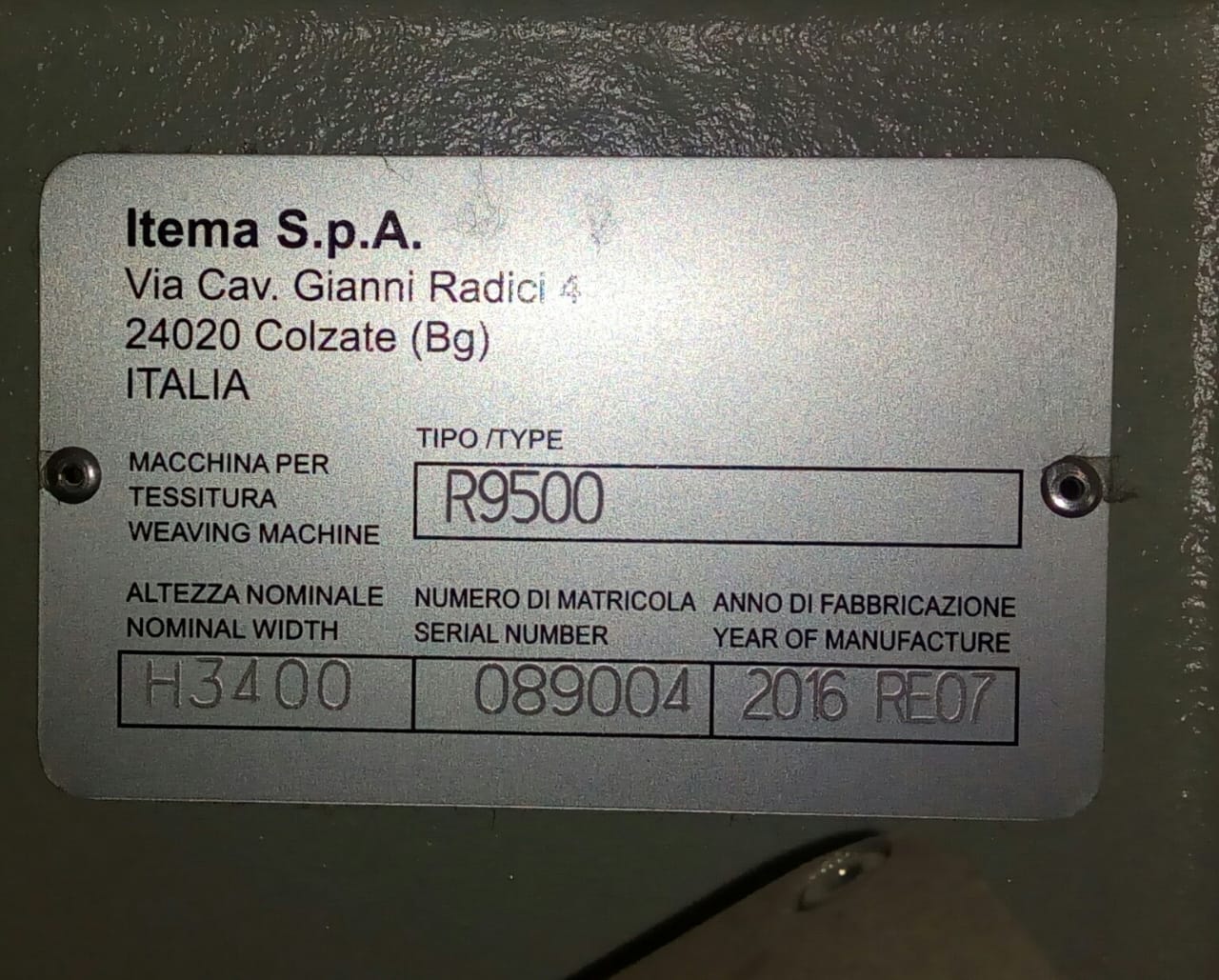
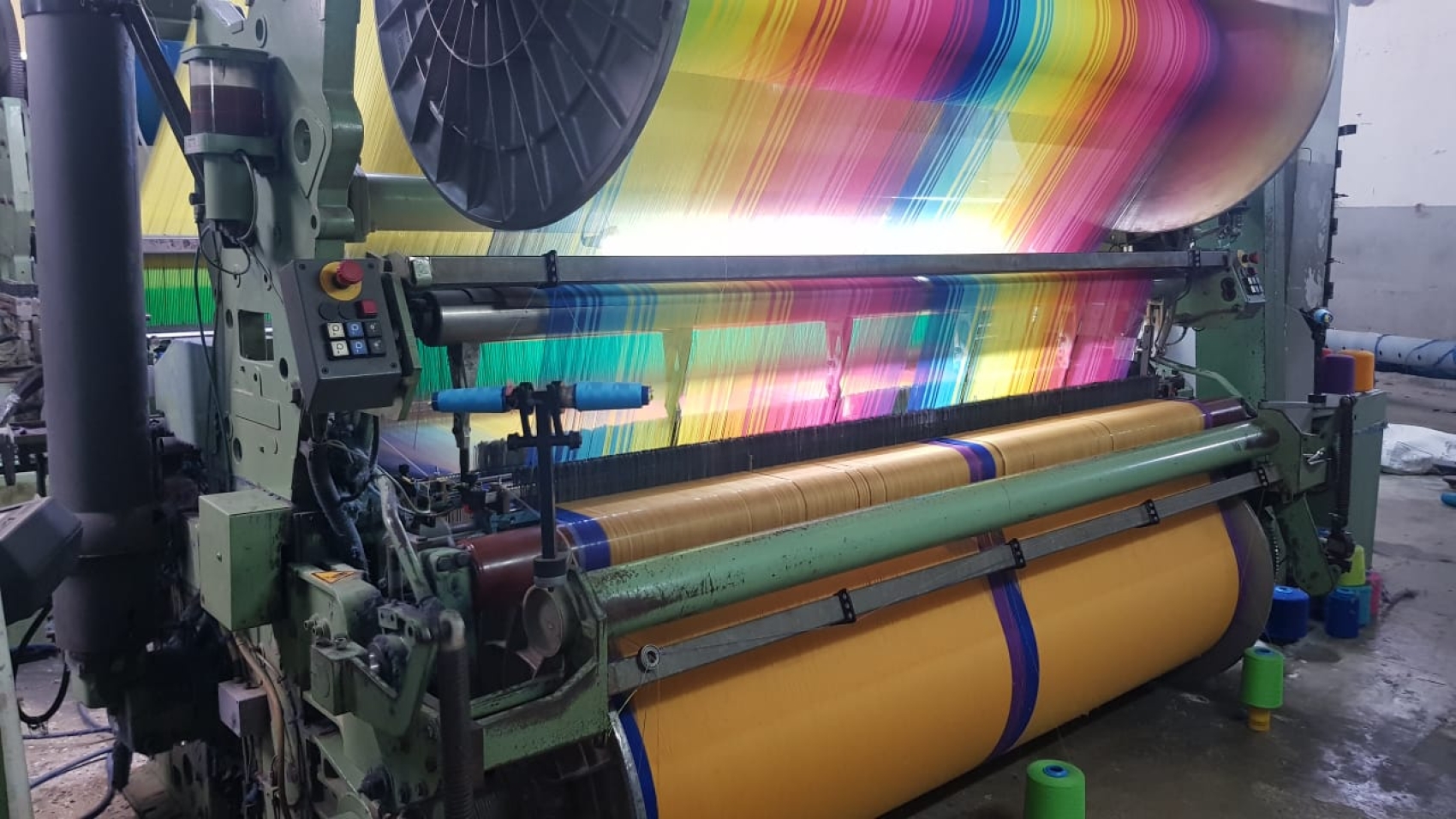
  • Model: ITEMA R9500
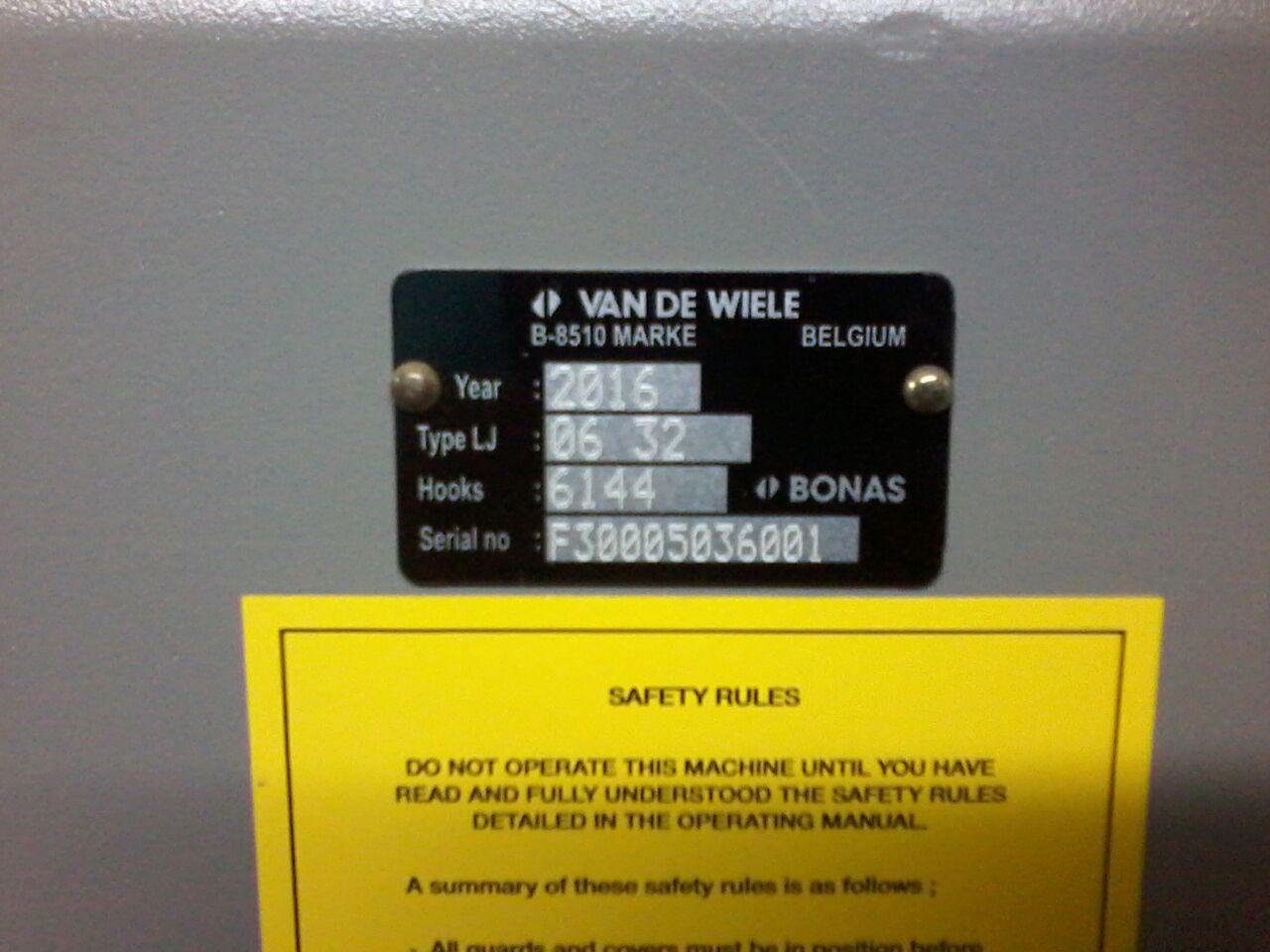
  • Year: 2016
  • Working Width: 340 cm, enabling wide-width fabric production.
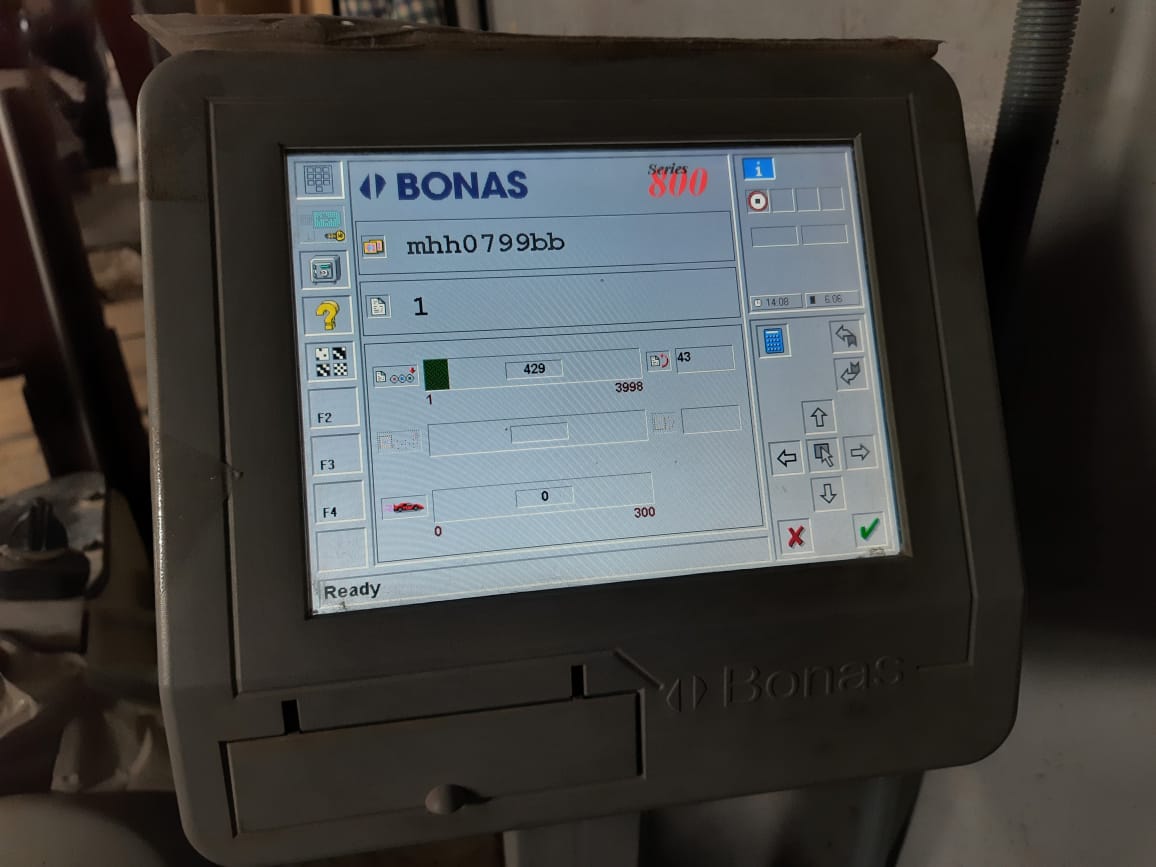
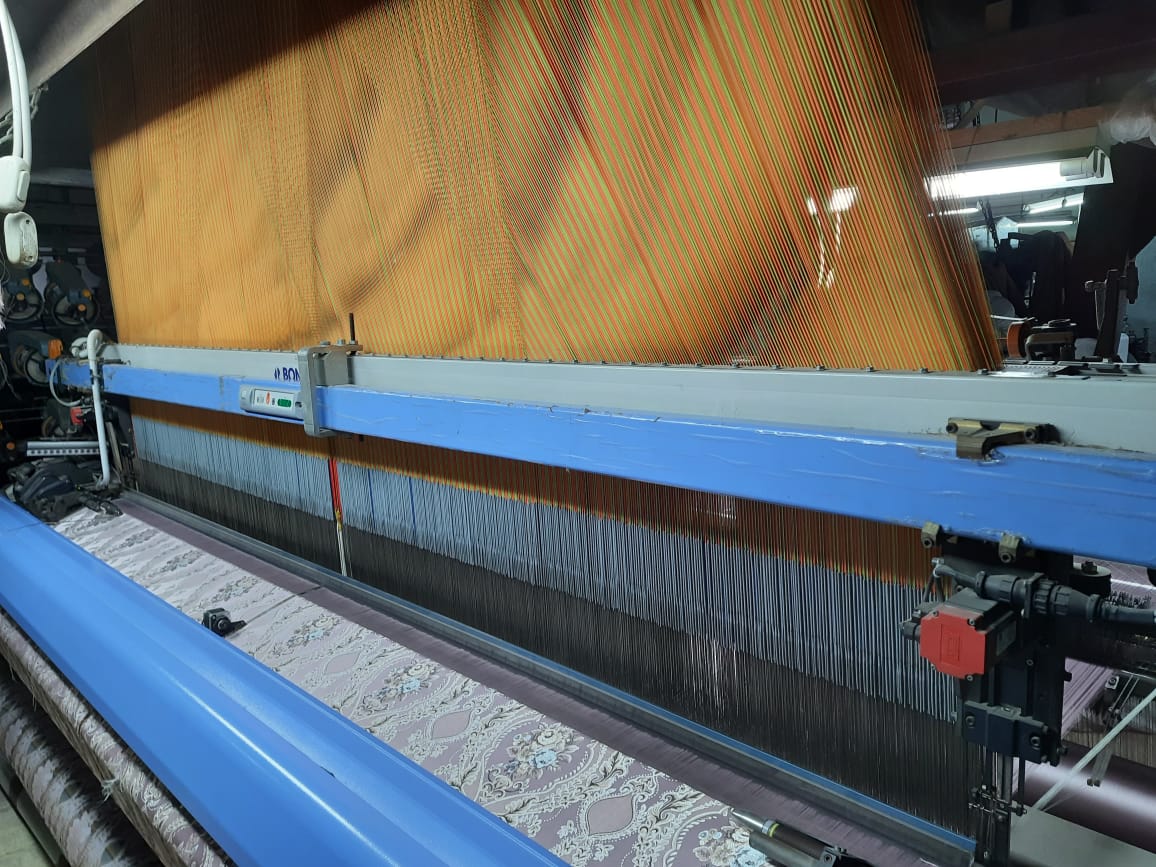
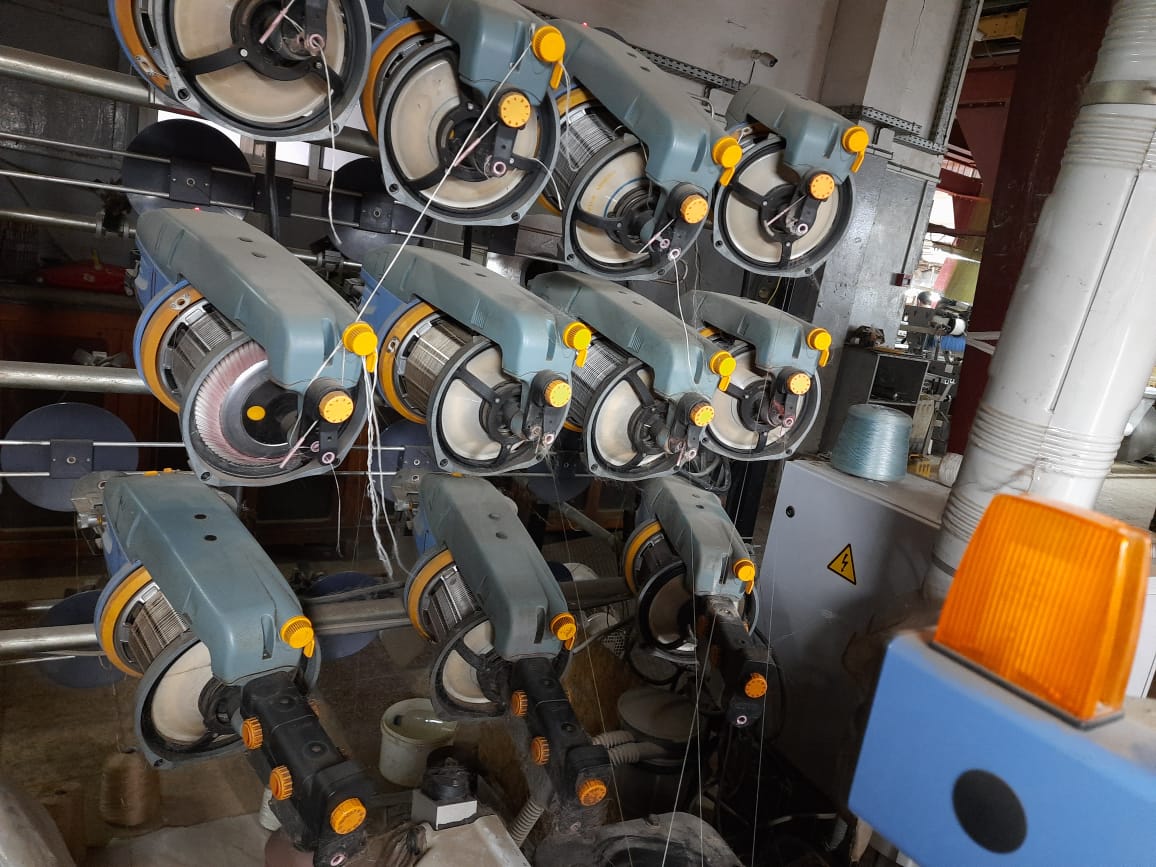
  • Jacquard System: Bonas LJ Jumbo Jacquard with 6,144 hooks and S800 controller for intricate patterns.
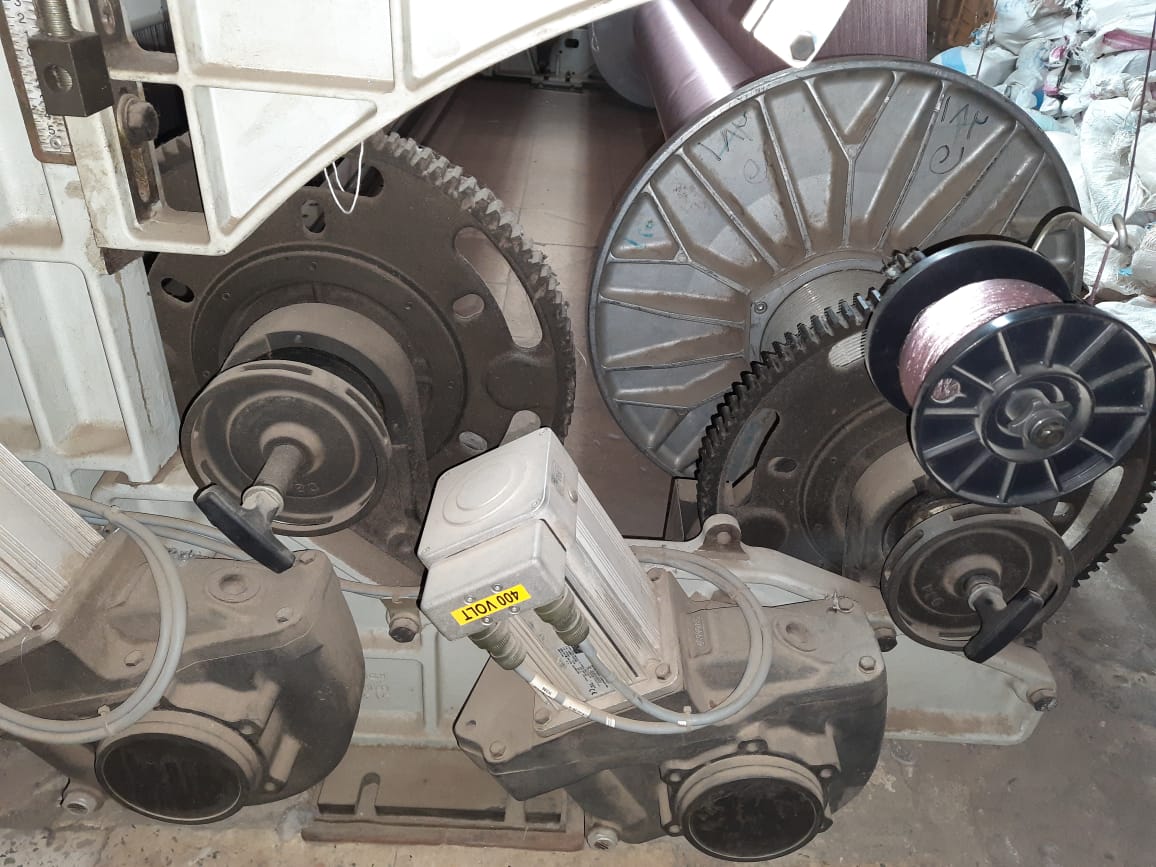
  • Beams Configuration: Double beam (behind) and three beams total for enhanced flexibility.
  • Weaving Colors: Supports up to 12 colors for complex designs.
  • Cloth Rollers: Two cloth rollers for efficient fabric winding.
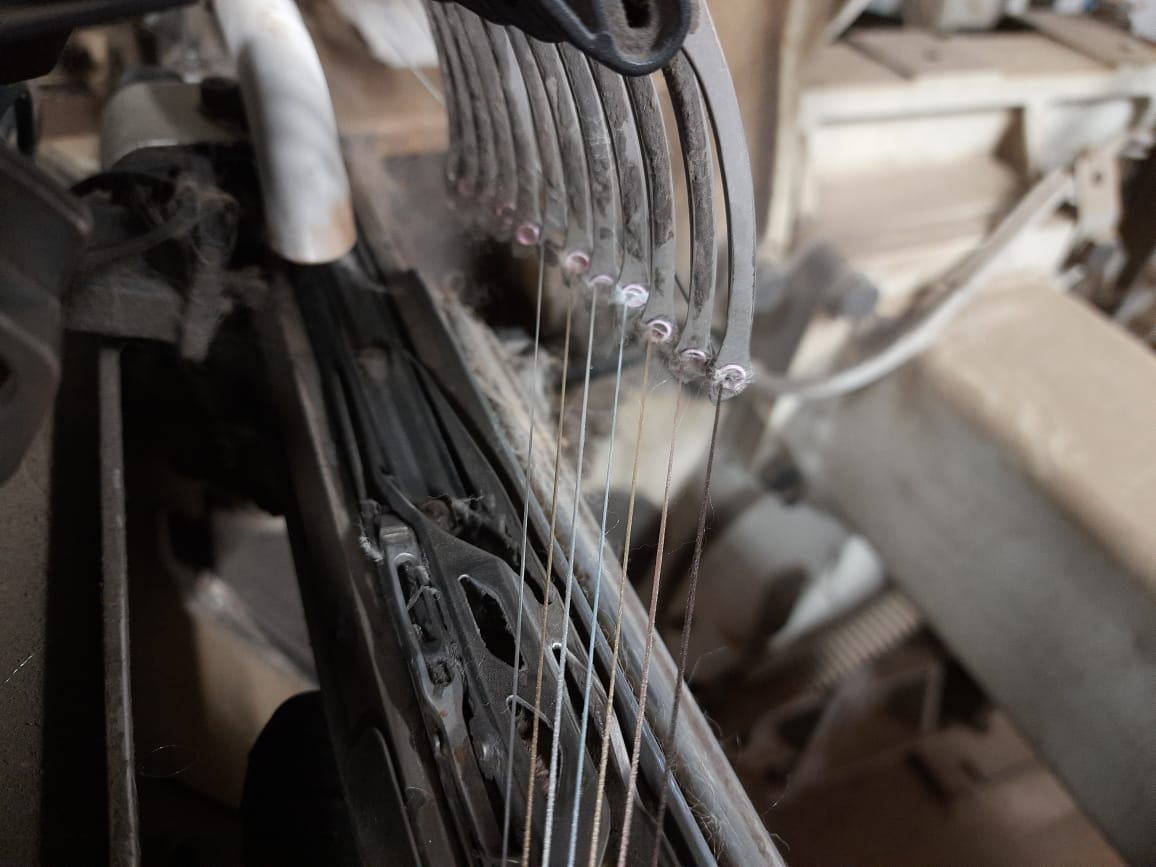
Why Choose the ITEMA R9500?

Known for its durability and advanced technology, the ITEMA R9500 is a powerhouse for large-scale textile manufacturers. Its wide-width capabilities and multi-color support make it a valuable addition to any production line.

Click here for more info about ITEMA R9500


Who Can Benefit from These Machines?

  • Small and Medium-Sized Enterprises (SMEs): Looking for cost-effective ways to scale production.
  • Large Textile Manufacturers: Expanding their capacity for wide-width and multi-color designs.
  • Export-Oriented Businesses: Producing high-quality, intricate fabrics for global markets.

Key Considerations When Buying Used Industrial Weaving Machines

  1. Inspect Machine Condition: Ensure that the machine has been well-maintained and is in running condition.
  2. Verify Specifications: Match the machine’s capabilities with your production needs.
  3. Request Maintenance Records: Check for service history to understand wear and tear.
  4. Choose Trusted Sellers: Work with reputable suppliers to avoid risks.

Why Buy from Us?

At Dealeveryday.co, we take pride in delivering top-notch used industrial weaving machines such as the Picanol Gammax Dobby and ITEMA R9500. Our machines are carefully inspected, professionally maintained, and fully operational, ensuring seamless integration into your production line.

Don’t just take our word for it—hear from our satisfied customers who have benefited from our reliable service and exceptional product quality. They trust us for:

  • Quick and professional support throughout the purchasing process.
  • Machines that match their specifications perfectly.
  • Transparent and competitive pricing.

Verified Customer

I purchased a used weaving machine from Dealeveryday.co, and it was in excellent condition exactly as described. The team was very responsive and answered all my questions promptly. I will definitely work with them again!

Verified Customer

Dealeveryday.co provided me with an ITEMA R9500 machine in outstanding operational condition at a competitive price. The process was smooth from start to finish. Thank you for your high level of professionalism!

Verified Customer

I had been searching for a Picanol Gammax machine, and Dealeveryday.co was the perfect choice. The machine is running perfectly, and their customer service was exceptional. I highly recommend them to anyone looking for used weaving machines.

Choose Dealeveryday.co for a trusted partner in growing your textile business!


Contact Us Today!

Whether you’re looking to expand your textile production or upgrade your current machinery, the Picanol Gammax Dobby and ITEMA R9500 Loom are excellent choices.

Ready to take the next step? Contact us now for more information, pricing, or to arrange a demonstration. Let us help you find the perfect weaving machine to meet your needs.
WhatsApp Image 2021-07-28 at 1.58.53 AM

Types of Machines Used in Textile Industries

Textiles are a type of cloth or woven fabric; its creation involves several processes than one might think. The production of fibers are spun into yarns, and are then used to create fabrics into many other sub-processes. Textile production is no simple task. Even once fabrics are created they must be pre-treated, dyed or printed, then finished with a treatment.

Types of Textiles

Textiles vary from felts to knits, and even cloths so tightly woven that they appear to be of a single piece. As you can imagine, there are machines tasked with many parts of these processes in order to make the production of textiles as smooth as possible. Cotton is one of the most commonly used fabrics, so many machines are based around the fabrication of cotton.

Machines Involving Fiber/Thread/Yarn Production

Every article of clothing has a different instruction label for machine washing and drying. These materials vary from cotton, wool, flax, ramie, silk, leather or even synthetic materials. All of these materials need to be handled and cared for specially to retain their shape after multiple washes.

  • Woolen Mill Machines – used to develop wool into yarn
  • Thread Winding Machines – used to wind thread onto spools
  • Bleaching/Dyeing Machines – used to bleach or dye thread, fibers, or fabric
  • Scutching Machines – used to separate cotton seeds from the cotton
  • Carding Machines – used to prepare the wool for being made into yarn
  • Spinning Machines – used to spin yarn
  • Yarn Gassing Machines – used as a Bunsen burner to heat the yarn, getting rid of excess fuzz and deepening the color

Machines Involving Textile Production

After the thread, yarn or fibers are turned into a more usable material, they are then woven, knitted, tufted or made into a cloth or textile. That is not all: The textiles are sewn, quilted or they can be layered for different types of insulation or for other purposes. The product can also be dyed or treated at different points in the process. The textile is then measured and cut, if necessary, so that it can be shipped to sellers.

  • Knitting Machines – used to knit yarn
  • Crochet Machines – used to crochet yarn
  • Lace Making Machines – used to weave thread into lace
  • Weaving Machines – used to weave thread, such as a loom
  • Tufting Machines – used to make textiles where fur is inserted into a base, like carpets or mittens
  • Quilting Machines – used to quilt textiles
  • Cloth Measuring Machines – used to measure cloth
  • Cloth Cutting Machines – used to cut cloth
  • Industrial Sewing Machines – large sewing machines
  • Monogramming Machines – used to create monogrammed fabric, such as towels with initials on them
OIP

The Ultimate Textile Machinery Guide: Types, Uses, and Advancements

Back in 2021, the global textile market was worth a whopping USD 998 billion. And guess what? Experts are predicting a CAGR growth rate of 3.9% from 2022 to 2030. That’s a clear indicator of just how crucial the textile manufacturing industry is on a global scale.

The textile sector is crucial to economies all around the world since it creates jobs and generates significant income. It is a sector that includes the manufacture of a range of textile-based goods, such as clothes, textiles for the home and office, industrial textiles, and more.

The textile sector has also transformed thanks to technological and creative advances. To increase production effectiveness, lower costs, and improve the quality of textile products, manufacturers are utilizing new techniques and processes. To meet changing customer preferences and needs, this emphasis on scientific and technological developments has also resulted in the production of new types of fabrics.

The importance of the textile industry goes beyond purely economic considerations. Additionally, it has social and environmental repercussions. With a rising focus on lowering the industry’s carbon footprint and minimizing waste, sustainable practices and eco-friendly projects have gained pace. The sector also helps to create jobs indirectly and directly by providing employment opportunities along the entire textile supply chain.

Considering its vast market size and continuous growth potential, the textile manufacturing industry remains a key player in global commerce. As consumer needs and preferences continue to evolve, the industry will adapt, innovate, and continue to contribute to economies worldwide.

What Are The Types Of Textile Machinery?

When it comes to textiles, there’s a wide variety out there. We’ve got everything from felts to knits, and even fabrics that are so tightly woven they look like one solid piece. It’s pretty amazing, right? Well, to make all these different textiles, there are machines specifically designed for various parts of the process.
For instance, let’s talk about cotton. It’s one of the most commonly used fabrics out there, so it’s no surprise that there are lots of machines dedicated to its fabrication. These machines play a crucial role in turning cotton fibers into the textiles we all know and love.

From the initial stages of processing raw cotton to spinning it into yarn, there are machines involved every step of the way. We’ve got cotton gins that separate the cotton fibers from the seeds, and spinning machines that transform those fibers into yarns. These yarns are then ready to be transformed into various textiles through weaving or knitting.
Whether it’s the machines that weave the yarns together to create fabric or the ones that knit them into cozy sweaters, each textile machine has its important task. They ensure that the production process goes smoothly and efficiently, so we can have a wide range of cotton textiles to choose from.

It’s amazing to see how technology has developed to satisfy textile industry expectations. These devices have sped up, improved, and widened access to textile production.

Different Types Of Textile Machineries Used For Various Textile Operations

Numerous textile machines are employed during the manufacturing process. Here are a few of the most typical:
The tools needed to spin fibers into yarn fall under this category. Spinning frames, spinning mules, and spinning equipment including ring and open-end rotor machines are a few examples.

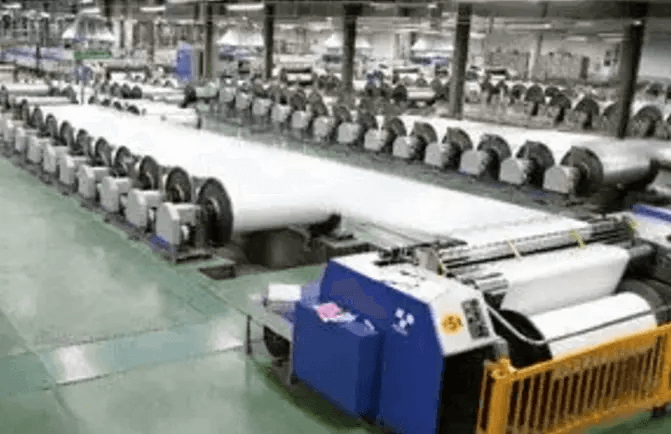
Warp and weft yarns are interlaced using weaving machinery to create fabric. There are several different kinds of looms in this category, including shuttle looms, projectile looms, air-jet looms, and rapier looms. Among them, direct warping, also known as beam warping, is a particular kind of equipment that quickly warps yarn on high-speed looms.

Dyeing and Printing Machinery: These machines are used to apply color and patterns to fabrics. Dyeing machinery includes machines for dyeing yarns or fabrics, such as dyeing vats, jet dyeing machines, and continuous dyeing machines. Rope Dyeing is the popular method for Indigo Dyeing.

Finishing Machinery: Finishing machines are used to enhance the properties and appearance of fabrics. They can include machines for processes like washing, bleaching, mercerizing, dyeing, coating, etc.

Cutting Machinery: Cutting machines are used to cut fabric or patterns accurately. They can include cutting tables, die-cutting machines, laser-cutting machines, and computerized numerical control – CNC cutting machines.
Textile Testing Machinery: These machines are used to test the quality and performance of textiles. They include machines for testing tensile strength, color fastness, abrasion resistance, and other physical and chemical properties of fabrics

What Are The Different Uses of Textile Machineries?

Following are the significant uses of various textile machinery making everything efficient and smooth.

Cutting

Cutting is a super important step in the textile industry. You need precision and accuracy when it comes to overlapping patterns on a desk. That’s where cutting machines come in handy. They make this process way more efficient, saving time and effort.

Spreading

Now, when it comes to spreading, an automatic spreader is the go-to choice. It’s perfect for cutting fabrics because it aligns and stacks them neatly. This means the whole activity becomes faster, safer, and even more cost-effective.

Overlock

It’s a key player in the textile industry. This little beast takes care of finishing the edges of the cut pieces, preventing fraying. But here’s the thing – sometimes it’s better to do the overlock at the end, along with the sewing stage. Why? Well, depending on the fabric type, doing the overlock right after spreading can damage the piece

Sewing

Next up, we’ve got sewing, one of the most crucial stages in clothing manufacturing. This is where the pieces are stitched together, and boy, does it require some specialized textile machines. Each machine on the production line has its function, making the sewing process efficient and top-notch.

Finishing

Finishing touches matter, my friend. That’s where you add zippers, buttons, seams, unique cuts, and other accessories by hand. It’s like giving the garments that final touch of personality and style.

Quality control

After the whole manufacturing process, it’s vital to put the pieces through some quality control. We want the products to reach customers just as planned, right? So, this step ensures that everything is up to snuff.

Labeling and storage

Last but not least, we got to label and store the pieces correctly before they head out for distribution. We want to keep things organized and make sure the right garments end up in the right hands.

In Conclusion

So, there you have it! Textile machines play a huge role in making the manufacturing process more efficient and effective. They cut, spread, overlock, sew, and add those finishing touches. With proper quality control and careful labeling, these machines help get the products to the customers with style.

162457202_860861344475379_8183301649676303522_n

10 Types of Textile Machinery Commonly Used In Textile Mills

Textile machinery refers to all kinds of machinery and equipment needed to process natural or chemical fibers into textiles. In a broad sense, textile machinery also includes chemical machinery that produces chemical fibers. It is the production method and material basis of the textile industry. Its technical level, quality and manufacturing cost are directly related to the development of the textile industry.

10 Types of Textile Machinery

This article introduces 10 types of textile machinery commonly used in textile mills

Warping Machine

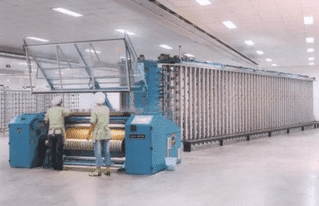
A warping machine is a kind of equipment that is used to roll discs of yarn onto large rollers.

Sizing Machine

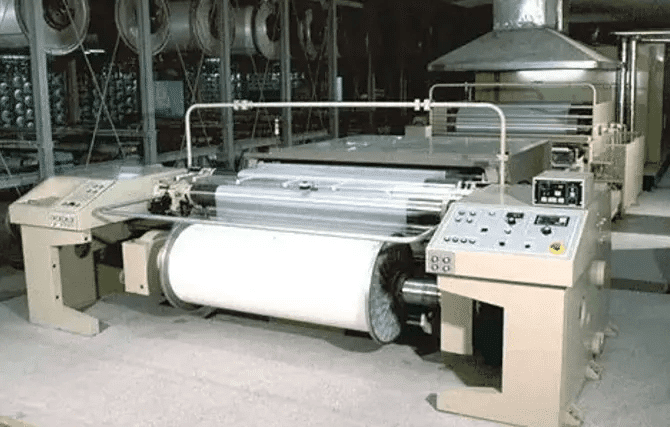
A sizing machine is used to sizing the whole yarn to prevent the yarn from being worn during weaving.

Re-beaming Machine

The re beaming machine is used to combine yarns from several creels into one package to achieve the required number of warp yarns.

Multiple Twisting Machine

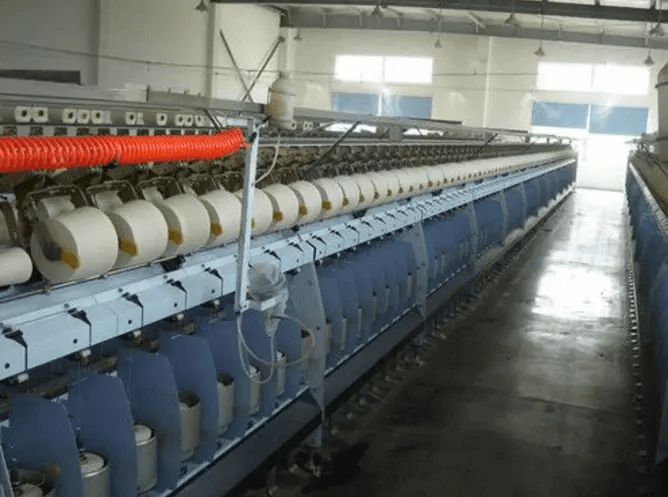
Multiple twisting machines is a machine for twisting yarn. If the twisting is clockwise, it is called “s” twisting; if twisting is counter-clockwise, it is called “Z” twisting.

Rapier Loom

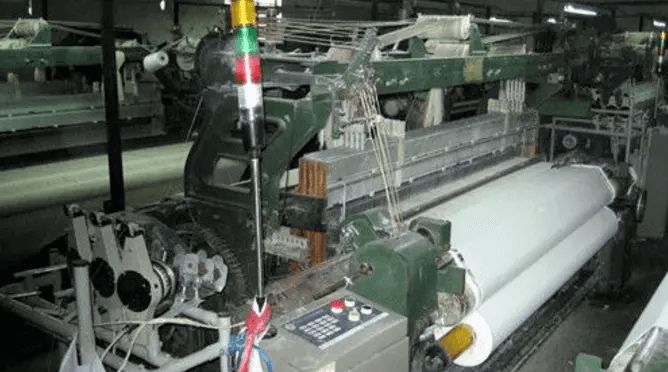
The rapier loom is a kind of loom that uses a reciprocating rapier fork to draw weft into the shed. Rapier looms have the advantage of low output and can be used to weave fabrics with ultra wide width, multicolor or coarse weft yarns.

Water Jet Loom

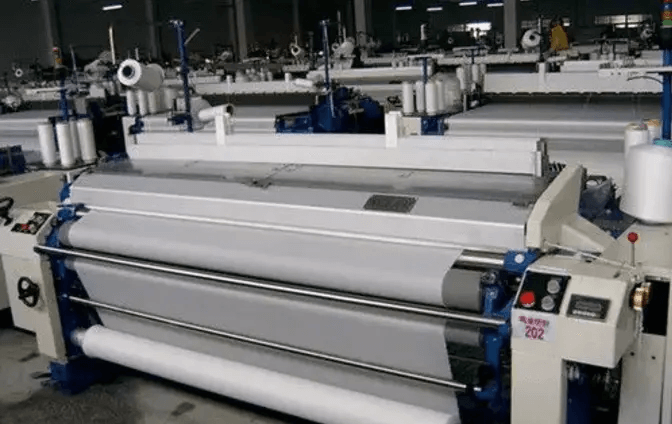
Water jet loom is a shuttleless loom that draws weft through the shed by spraying a water column. It has high speed and high output.

Air Jet Loom

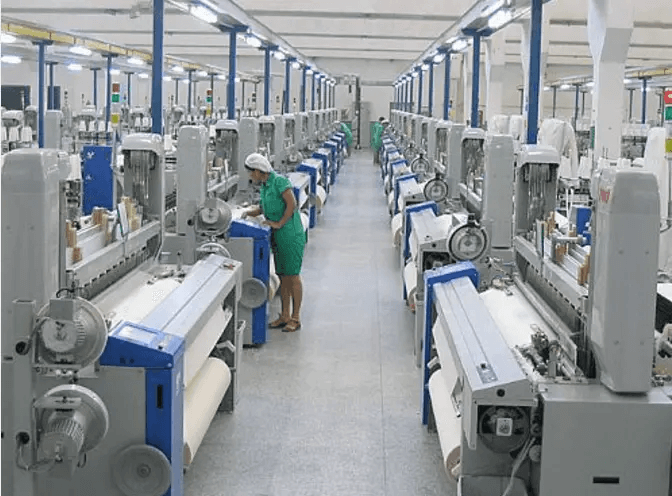
Air-jet loom is a shuttleless loom that draws weft through the shed by jet airflow. Its speed is higher than that of a water jet loom, its evenness is better, but its weaving cost is also high.

Warp Knitting Machine

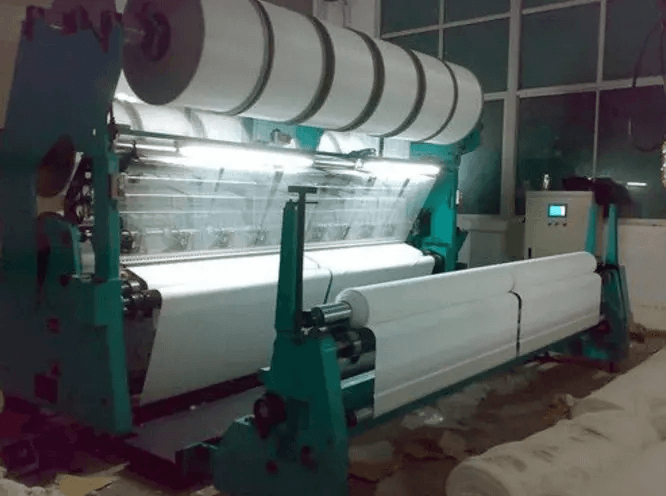
Warp knitting machine is a knitting machine used to weave warp knitted fabrics.

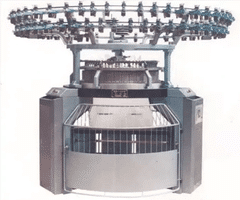
Weft Knitting Machine(Circular Type)

Weft knitting machine (circular type) a circular machine used for weaving weft knitted fabrics.

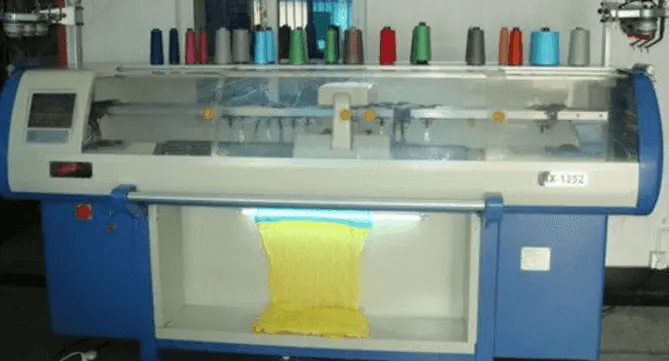
Weft Knitting Machine(Flat Type)

Weft knitting machine (flat type) is a long knitting machine used for weaving weft knitted fabrics.